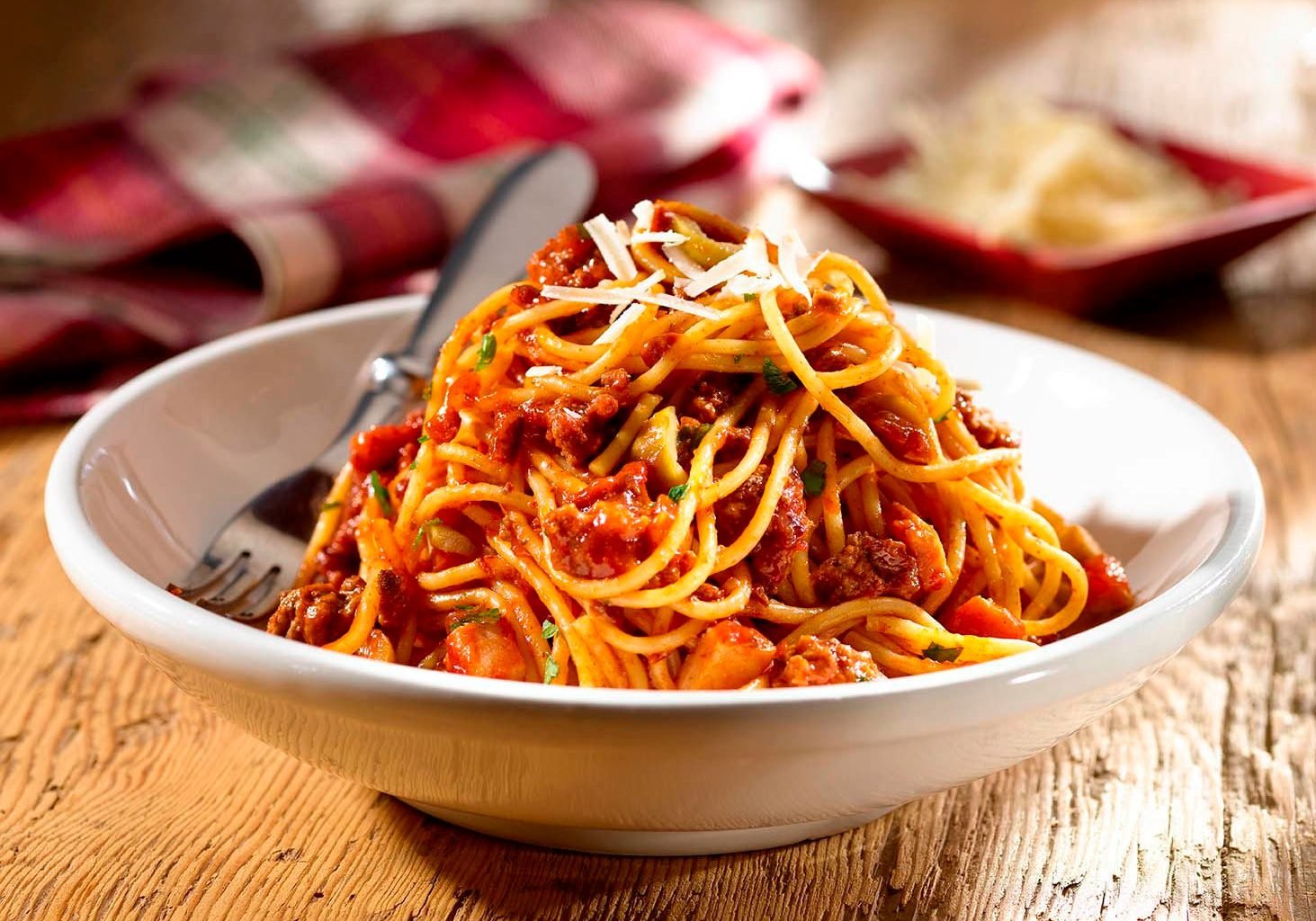

A warm plate of spaghetti topped with rich, savory sauce is a comfort food classic. But if you’re following a gluten-free diet due to celiac disease or gluten sensitivity, not all spaghetti sauces are safe. While many store-bought options appear gluten-free, cross-contamination or hidden ingredients can be a concern. The best solution is to make your own. This gluten free spaghetti sauce recipe is simple, adaptable, and perfect for pairing with your favorite gluten-free pasta.
Homemade Gluten Free Spaghetti Sauce
Ingredients
- 2 tablespoons olive oil
- 1 medium yellow onion, finely chopped
- 4 cloves garlic, minced
- 1 pound ground beef or turkey (optional for meat sauce)
- 1 can (28 ounces) crushed tomatoes
- 1 can (6 ounces) tomato paste
- 1 can (15 ounces) tomato sauce
- 1 teaspoon salt
- ½ teaspoon black pepper
- 1 teaspoon sugar (optional, to balance acidity)
- 1 tablespoon dried basil
- 1 teaspoon dried oregano
- ½ teaspoon dried thyme
- 1 bay leaf
- ¼ teaspoon red pepper flakes (optional)
- ½ cup chopped fresh parsley or 1 tablespoon dried parsley
- Water or broth as needed for desired consistency
Instructions
- Heat olive oil in a large saucepan over medium heat. Add chopped onion and sauté until soft and translucent, about 5 minutes.
- Add minced garlic and cook for another 30 seconds, stirring constantly to avoid burning.
- If using meat, add the ground beef or turkey to the pan. Cook until browned, breaking it up with a spoon as it cooks. Drain excess fat if necessary.
- Stir in crushed tomatoes, tomato paste, and tomato sauce. Mix until fully combined.
- Add salt, pepper, sugar, herbs, and red pepper flakes. Drop in the bay leaf.
- Reduce heat to low and simmer uncovered for 30–45 minutes, stirring occasionally. Add water or broth if the sauce becomes too thick.
- Remove bay leaf and adjust seasoning to taste. Stir in fresh parsley before serving.
Tips for Cooking Gluten-Free Pasta
Pairing your sauce with the right pasta makes all the difference. Gluten-free pasta has improved significantly in taste and texture, but cooking it right is essential.
- Use plenty of water and stir during the first few minutes to prevent sticking.
- Check the pasta a minute or two before the package suggests—it can become mushy quickly.
- Rinse lightly under warm water after draining to stop cooking and reduce starchiness.
- Top with sauce immediately to avoid clumping.
Popular gluten-free pasta brands include Barilla Gluten Free, Jovial, Tinkyada, Banza, and Ancient Harvest. All of them pair well with this sauce.
Make It Your Own: Variations and Add-ins
This gluten-free spaghetti sauce is versatile and easy to customize:
- Add chopped bell peppers, mushrooms, or zucchini during the onion sauté step for more vegetables.
- Replace ground beef with Italian sausage for deeper flavor.
- Skip the meat entirely for a vegetarian version.
- Use fresh tomatoes in summer—blend and simmer longer for a thicker consistency.
- Add a splash of red wine or balsamic vinegar for depth.
Storing and Freezing
This sauce can be made ahead and stored for later use.
- Store in an airtight container in the refrigerator for up to 5 days.
- Freeze in portioned containers for up to 3 months. Thaw overnight in the fridge and reheat on the stove over low heat.
- It also works well in gluten-free lasagna or baked pasta dishes.
Safe Store-Bought Gluten-Free Spaghetti Sauce Brands
If you’re in a rush, these brands offer gluten-free options that are both safe and flavorful:
Prego Traditional Sauce
Contains no gluten ingredients and is considered gluten-free by the manufacturer. Not certified, so check for any updates or allergen statements.
Rao’s Homemade Marinara
Labeled gluten-free and made with simple ingredients. A premium option with no added sugar or preservatives.
Barilla Pasta Sauce
Often paired with their gluten-free pasta line. Check the label to ensure your selected variety is gluten-free.
Muir Glen Organic Pasta Sauce
USDA Organic and many flavors are labeled gluten-free. A clean and affordable store option.
Always read labels and look for “gluten-free” certification, especially if you are managing celiac disease. Some sauces may include additives like modified food starch or be processed in facilities that handle wheat.
Frequently Asked Questions
Is Prego spaghetti sauce gluten-free?
Prego’s traditional varieties do not contain gluten ingredients. While not certified gluten-free, they are generally considered safe for gluten-sensitive individuals.
Does Barilla make gluten-free spaghetti?
Yes. Barilla’s gluten-free pasta is made from corn and rice and is labeled gluten-free. It is a reliable option for those avoiding gluten.
What’s the trick to cooking gluten-free pasta?
Use plenty of water, stir early, and don’t overcook. Gluten-free pasta cooks quickly and can get mushy if left too long. Drain, rinse, and serve immediately.
What makes a good gluten-free sauce?
A good gluten-free sauce uses clean ingredients without hidden wheat-based additives. It should be naturally thickened and full of flavor from herbs, garlic, and tomatoes.
Is peanut butter gluten-free?
Most peanut butter brands are naturally gluten-free, but always read the label to confirm. Cross-contamination may occur in facilities that also process wheat.
Conclusion
Creating a delicious gluten free spaghetti sauce at home is simple, safe, and satisfying. With the right ingredients and a bit of prep, you’ll have a rich, hearty sauce that rivals anything from a jar—and you’ll know exactly what’s in it. Whether served over gluten-free spaghetti, stirred into lasagna, or spooned onto a pizza crust, this sauce is a foundational recipe worth mastering. Homemade is not just safer—it’s often more flavorful, fresher, and fully customizable.