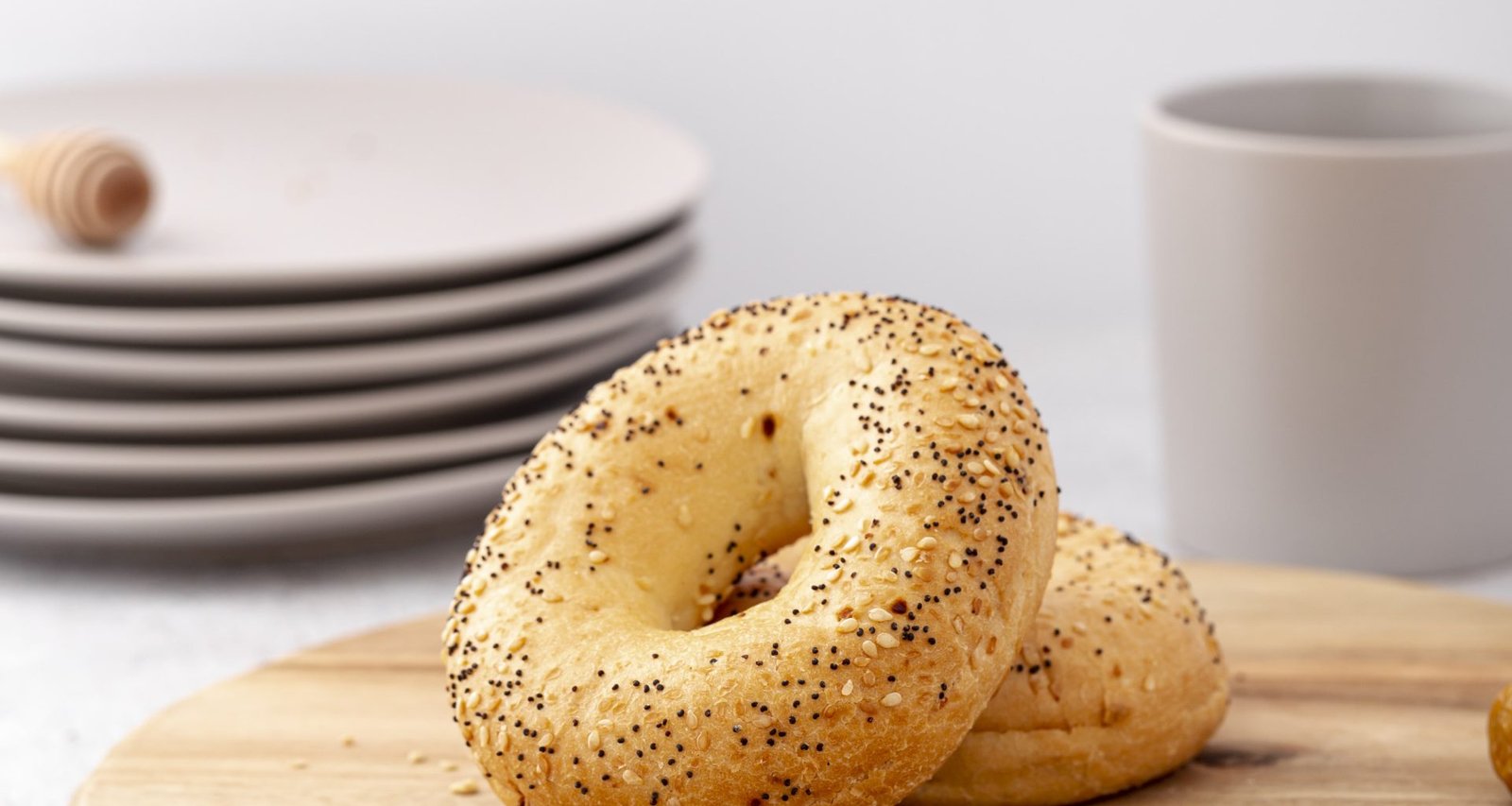

If you’re on a gluten-free diet and craving a warm, chewy bagel, you’re not alone. Bagels are a beloved breakfast staple, especially in cities like New York, where a classic, crusty bagel is practically a cultural icon. Fortunately, gluten-free bagels have come a long way in texture, flavor, and accessibility. Whether you’re managing celiac disease, gluten intolerance, or simply experimenting with a wheat-free lifestyle, you’ll find plenty of satisfying options to enjoy.
This comprehensive guide covers everything you need to know about gluten-free bagels—from the best brands and bakeries to how to make your own at home. You’ll also get insights into ingredients, nutrition, and tips to replicate that authentic bagel chew without gluten.
What Makes a Bagel Gluten-Free?
A traditional bagel is made using wheat flour, which naturally contains gluten. This protein gives bagels their stretchy dough and signature chewiness. To make a bagel gluten-free, bakers replace wheat flour with a combination of alternative flours and binding agents.
Typical gluten-free flour blends include:
- Brown rice flour
- Tapioca starch
- Potato starch
- Almond flour
- Sorghum flour
- Arrowroot powder
- Xanthan gum or psyllium husk (to mimic gluten’s elasticity)
Because gluten-free dough is usually stickier and more delicate than traditional wheat dough, bagel recipes require more precise handling, sometimes involving refrigeration, extra proofing, or flouring surfaces heavily during shaping.
Are Gluten-Free Bagels Healthy?
Gluten-free doesn’t always mean healthy, especially when it comes to baked goods. Many packaged gluten-free bagels rely on refined starches and oils to replicate the fluffy texture of wheat-based bagels. As a result, they may be:
- Higher in carbohydrates
- Lower in fiber and protein
- Less nutrient-dense than whole wheat options
However, some gluten-free bagels are made using whole grain flours, seeds, or nuts, which can offer:
- Healthy fats (from almonds or flaxseed)
- Higher fiber content
- Micronutrients like magnesium, calcium, or iron
When shopping, always read ingredient labels and opt for products made with minimal processing and real food ingredients.
Best Gluten-Free Bagel Brands You Can Buy
Here are some top-rated gluten-free bagel brands praised for taste, texture, and availability:
1. Udi’s Gluten-Free Bagels
- Widely available in grocery stores
- Flavors include plain, cinnamon raisin, and everything
- Soft texture, great toasted
2. Canyon Bakehouse
- Made in a dedicated gluten-free facility
- Certified gluten-free, dairy-free, nut-free
- Excellent crust with a soft crumb
3. Trader Joe’s Gluten-Free Bagels
- Store brand, typically found in frozen section
- Great price and decent chew
- Comes in plain and everything varieties
4. O’Doughs
- Vegan and gluten-free
- Denser than traditional bagels, but highly satisfying
- Good for sandwiches
5. Against the Grain
- Made with tapioca and mozzarella—more of a cheese bread texture
- Totally grain-free
- Unique flavor profile
Where to Find Gluten-Free Bagels in NYC
New York City, the bagel capital, now boasts a growing number of gluten-free options:
Modern Bread and Bagel
- 100% gluten-free artisan bakery
- Hand-rolled, boiled bagels with a classic NYC crust
- Offers sweet and savory flavors
Erin McKenna’s Bakery
- Vegan and gluten-free
- Known for innovative, allergen-friendly treats
- Offers mini bagels, great for brunch spreads
Pop Up Bagels (with limited GF options)
- Occasional pop-ups feature gluten-free tasting kits
- Ideal for foodies wanting a curated experience
How to Make Gluten-Free Bagels at Home (Recipe)
Homemade gluten-free bagels offer full control over ingredients and freshness. Here’s a simplified recipe that works well for beginners and yields four chewy, delicious bagels.
Ingredients:
- 2 cups gluten-free all-purpose flour
- 1 tbsp baking powder
- 1 tsp xanthan gum (if not already in flour mix)
- 1 tsp salt
- 1 cup plain Greek yogurt (or dairy-free alternative)
- 1 tbsp apple cider vinegar
- Optional toppings: sesame seeds, poppy seeds, everything seasoning
Instructions:
- Preheat oven to 375°F. Line a baking sheet with parchment paper.
- Mix flour, baking powder, xanthan gum, and salt.
- Stir in yogurt and vinegar. Mix until a soft dough forms.
- Divide dough into 4 equal pieces. Shape each into a bagel ring.
- Optional step: Boil each bagel in water with 1 tbsp baking soda for 30 seconds per side for traditional texture.
- Place bagels on a sheet, brush with egg wash, sprinkle toppings.
- Bake 25–30 minutes or until golden. Let cool before slicing.
Tips for Perfect Gluten-Free Bagels
- Don’t skip boiling: This helps create the chewy, glossy crust that defines a good bagel.
- Use high-quality flour: Choose a flour blend formulated for bread or bagels, not just general baking.
- Freeze leftovers: Gluten-free baked goods stale quickly. Toast straight from the freezer when ready to eat.
- Add moisture-rich ingredients like yogurt or eggs to mimic the softness of wheat bagels.
Vegan and Dairy-Free Gluten-Free Bagels
Many gluten-free bagels also cater to vegan diets. Look for labels that mention:
- No eggs
- No dairy
- Plant-based fats like avocado oil or coconut oil
Top vegan-friendly gluten-free brands:
- Miyoko’s (butter spread for bagels)
- BFree Foods
- O’Doughs
You can also make your own using a combination of gluten-free flour, dairy-free yogurt or applesauce, and flaxseed meal as an egg replacement.
Frequently Asked Questions (FAQs)
Are gluten-free bagels safe for celiacs?
Yes, if certified gluten-free and made in a dedicated facility. Always check for certification and allergen protocols.
Do gluten-free bagels taste the same?
Some do, especially those that are boiled before baking. Textures and flavors vary by brand and ingredients.
Can I freeze gluten-free bagels?
Absolutely. Freeze bagels in a sealed bag or container and toast directly from frozen for best results.
What flour is best for gluten-free bagels?
Use a blend that includes rice flour, tapioca starch, and xanthan gum. Store-bought gluten-free all-purpose flour labeled “for baking” works well.
Are gluten-free bagels keto?
Generally no. Most contain starches and flours that are high in carbs. For a keto version, look for almond flour-based recipes with no grains.
Conclusion: Enjoying Bagels Without the Gluten
Whether you’re baking them at home, picking up a fresh dozen in NYC, or buying them frozen from a grocery store, gluten-free bagels are more delicious and accessible than ever. Thanks to better flour blends, baking techniques, and certified brands, there’s no reason to miss out on a warm, toasted bagel spread with butter or loaded with cream cheese.
By choosing certified products, experimenting with recipes, and understanding what goes into a gluten-free bagel, you can indulge without compromising your health or dietary needs.