
Short answer: Traditional soy sauce is not gluten-free, but several gluten-free alternatives exist that are safe for people with celiac disease or gluten sensitivity.
What is Soy Sauce Made From?
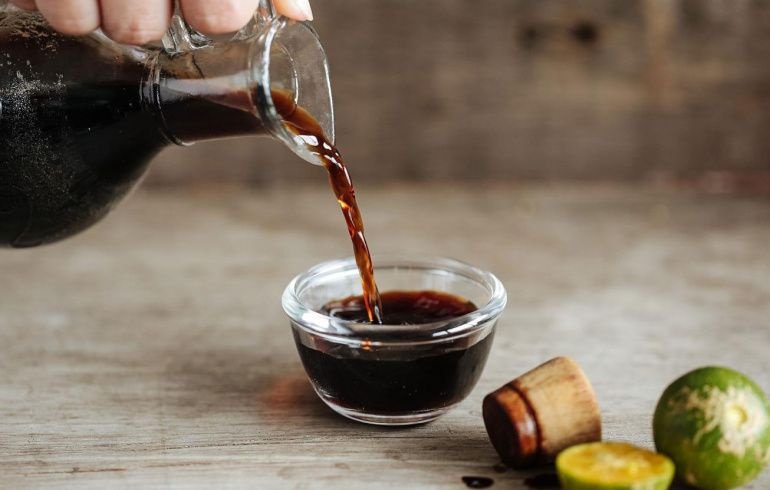
Soy sauce is traditionally brewed using soybeans, wheat, water, and salt. The fermentation process breaks down these ingredients into a rich, umami-flavored condiment. Because wheat is one of the primary ingredients, most conventional soy sauces contain gluten.
Can People on a Gluten-Free Diet Eat Soy Sauce?
If you have celiac disease, gluten intolerance, or non-celiac gluten sensitivity, you should not consume regular soy sauce. Even trace amounts of gluten from hydrolyzed wheat protein or cross-contact during processing can trigger symptoms.
However, not all soy sauce varieties contain gluten. There are several gluten-free soy sauces and similar condiments that are safe and easy to find.
Gluten-Free Alternatives to Soy Sauce
1. Tamari
Tamari is a Japanese-style soy sauce made with little to no wheat. Most tamari brands are specifically labeled gluten-free.
Recommended Brands:
- San-J Gluten-Free Tamari
- Kikkoman Gluten-Free Tamari
Always check the label, as some versions of tamari still contain small amounts of wheat.
2. Coconut Aminos
Coconut aminos are made from coconut sap and sea salt. They are naturally gluten-free, soy-free, and lower in sodium, making them a great option for those with multiple dietary restrictions.
Popular Brands:
- Coconut Secret
- Big Tree Farms
3. Bragg Liquid Aminos
Made from non-GMO soybeans, Bragg’s Liquid Aminos do not contain gluten-based ingredients. While not certified gluten-free, they are generally safe for those with gluten sensitivity. For celiac disease, always confirm manufacturing practices with the brand.
How to Identify Gluten in Soy Sauce
Not all gluten in soy sauce is obvious. Here are key things to look for when checking a label:
- Wheat listed as an ingredient
- Hydrolyzed wheat protein
- Malt extract or malt vinegar
- Modified food starch (if not identified as corn- or potato-based)
- No “gluten-free” certification or allergen information
If the label doesn’t explicitly say “gluten-free” and you have celiac disease, it’s best to avoid it.
Is Kikkoman Soy Sauce Gluten-Free?
Regular Kikkoman soy sauce contains wheat and is not gluten-free. However, Kikkoman offers a Certified Gluten-Free Soy Sauce, made with only water, soybeans, salt, and sugar, and brewed in a facility that prevents cross-contact.
Always check that the bottle says “gluten-free” and isn’t just the standard version.
What About Restaurant Soy Sauce?
Most restaurants use standard soy sauce that contains gluten, especially in Asian cuisine. Ask your server if tamari or a gluten-free option is available. If not, it’s safest to avoid the sauce entirely or bring your own packet of gluten-free soy sauce when dining out.
Can Soy Sauce Be Made Without Gluten?
Yes. Gluten-free soy sauce can be made by removing wheat from the brewing process and replacing it with rice or brewing the sauce using only soybeans and salt. These products follow FDA gluten-free labeling guidelines and are safe for those on strict gluten-free diets.
What to Use in Gluten-Free Cooking
You can replace regular soy sauce in any recipe with tamari, coconut aminos, or liquid aminos.
Use cases include:
- Stir-fry dishes
- Sushi rolls
- Salad dressings
- Marinades for meat or tofu
- Dipping sauce for dumplings or spring rolls
Each alternative provides a similar savory, salty, umami flavor with slight variations.
Frequently Asked Questions
Is soy sauce gluten-free?
No, most soy sauces contain wheat. Look for gluten-free alternatives like tamari or coconut aminos.
Is tamari gluten-free?
Most tamari is gluten-free, but not all. Check the label for certification.
Can I eat soy sauce with celiac disease?
Only if it is labeled gluten-free and made in a certified gluten-free facility.
Are all coconut aminos gluten-free?
Yes, coconut aminos are naturally gluten-free and safe for most diets.
Is low-sodium soy sauce gluten-free?
Not necessarily. Low sodium doesn’t mean gluten-free unless labeled.
Final Thoughts
Soy sauce is a staple in many dishes, but the presence of wheat makes most varieties unsafe for gluten-free diets. Fortunately, tamari, coconut aminos, and gluten-free soy sauce options offer safe, delicious alternatives that can be used just like traditional soy sauce.
Whether you’re cooking at home or eating out, always read labels carefully and choose sauces that are clearly marked gluten-free. With the right alternatives, you don’t have to miss out on the flavor soy sauce adds to your favorite meals.