
Quick answer: Yes, millet is naturally gluten-free and safe for people with celiac disease or gluten intolerance—if it’s labeled certified gluten-free to avoid cross-contamination.
What Is Millet?
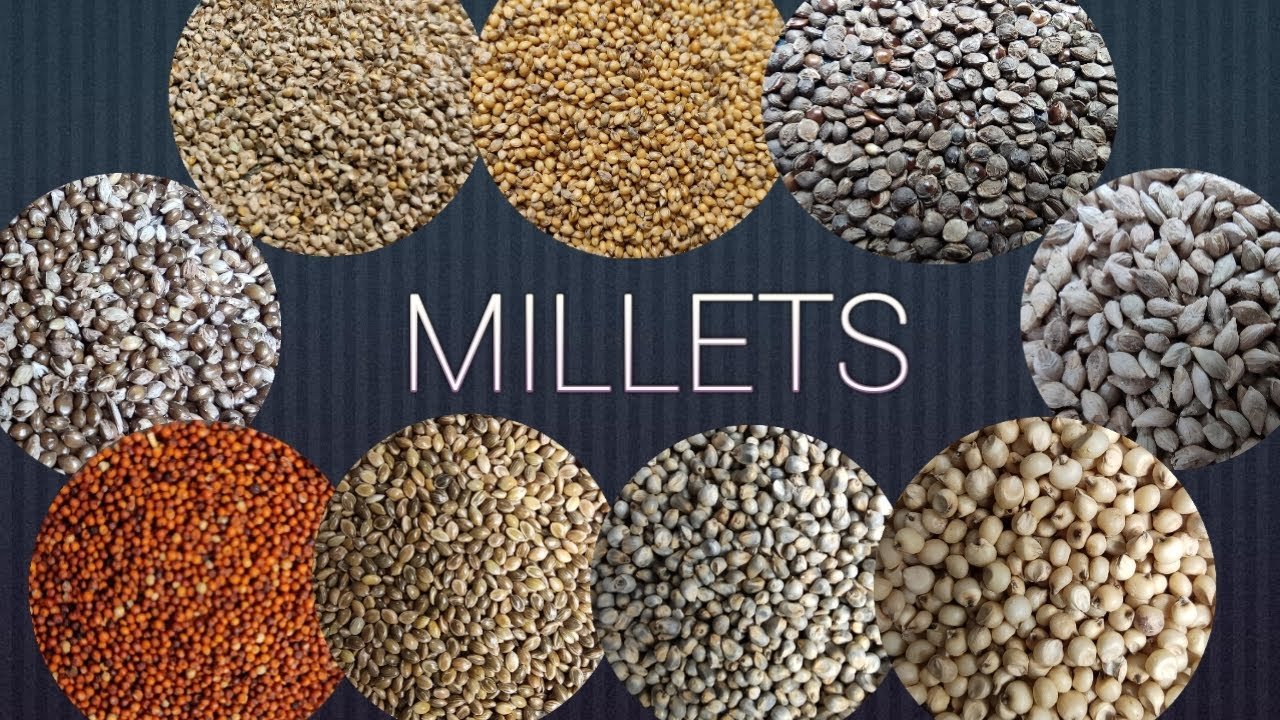
Millet is a small-seeded grain commonly used in African, Indian, and Asian cuisines. It’s technically a cereal grain, and unlike wheat, barley, or rye, millet contains no gluten proteins.
There are several types of millet, including:
- Pearl millet
- Finger millet
- Foxtail millet
- Proso millet
Each has a mild, nutty flavor and is used in porridges, side dishes, and even baked goods.
Is Millet Safe for Gluten-Free Diets?
Yes. Millet is naturally gluten-free and does not trigger autoimmune reactions in people with celiac disease.
However, as with most grains, the risk of cross-contamination is the main concern. Millet may be:
- Harvested or transported with wheat
- Milled on shared equipment
- Packaged in facilities that process gluten-containing grains
To ensure safety, always choose certified gluten-free millet if you have celiac disease or gluten sensitivity.
Why Choose Millet on a Gluten-Free Diet?
Millet offers both variety and nutrition for those avoiding gluten:
- High in fiber and plant-based protein
- Naturally rich in iron, magnesium, and B vitamins
- Supports digestion and stable blood sugar levels
- Cooks quickly and absorbs flavor well
- Versatile in both sweet and savory dishes
It’s a great alternative to rice, couscous, or pasta in gluten-free cooking.
How to Find Gluten-Free Millet Products
When buying millet or millet-based products, check for:
- “Certified Gluten-Free” label
- Brand transparency about manufacturing practices
- Clean ingredient lists with no additives or flavorings
Recommended gluten-free millet brands:
- Arrowhead Mills
- Bob’s Red Mill (certified GF versions)
- To Your Health Sprouted Grains
- Anthony’s Goods (check for GF label)
Avoid millet from bulk bins or unlabeled packaging to prevent cross-contact with wheat-based grains.
Cooking with Millet
Millet is easy to cook and works in a variety of gluten-free recipes.
Cooking basics:
- Rinse 1 cup of millet under cold water
- Add to 2 cups boiling water or broth
- Simmer covered for 15–20 minutes
- Fluff with a fork before serving
You can also toast millet in a dry skillet before cooking for a deeper, nutty flavor.
Gluten-free recipe ideas:
- Millet breakfast porridge with berries and cinnamon
- Millet tabbouleh (substitute for bulgur wheat)
- Savory millet pilaf with vegetables
- Gluten-free veggie burger patties with cooked millet
- Baked millet bread or muffins using millet flour
Can Millet Cause Symptoms in Gluten-Free Dieters?
Millet itself does not contain gluten, but symptoms can occur if:
- The product is contaminated with gluten
- There is a separate sensitivity to millet (rare)
- Millet is mixed with other grains or flavorings containing gluten
If you suspect symptoms after eating millet, try switching to a certified gluten-free brand and eat it plain to isolate the cause.
Related FAQs
Is millet gluten-free?
Yes, millet is naturally gluten-free. Choose certified products to avoid contamination.
Can people with celiac disease eat millet?
Yes, but only if it’s labeled gluten-free and not processed with gluten grains.
Is millet flour gluten-free?
Yes, millet flour is gluten-free if made in a certified gluten-free facility.
Can millet cause a gluten-like reaction?
Not from gluten. Any symptoms may come from cross-contamination or individual sensitivity.
How do I cook millet safely on a gluten-free diet?
Use certified gluten-free millet, rinse thoroughly, and cook in clean pots used only for gluten-free foods.
Final Thoughts
Millet is a nutrient-rich, gluten-free grain that’s safe for people with celiac disease and gluten intolerance—as long as it’s sourced carefully. With its mild taste and quick cooking time, millet is a perfect addition to your gluten-free pantry and offers excellent variety beyond rice and oats.
To avoid gluten exposure, look for certified gluten-free labels and store millet separately from wheat-based grains in your kitchen. It’s an easy, affordable, and safe choice for anyone living gluten-free.