
If you are following a gluten free lifestyle and have a sweet tooth you might wonder is honey gluten free The good news is that pure natural honey is completely gluten free. It comes directly from bees and does not contain any wheat barley or rye that could introduce gluten.
However not every jar on the shelf is the same. Some flavored or processed honey products may include additives that contain gluten or are produced in facilities that handle gluten containing ingredients. This guide explains how honey is made why it is gluten free and how to choose the safest options for your diet.
What Exactly Is Honey
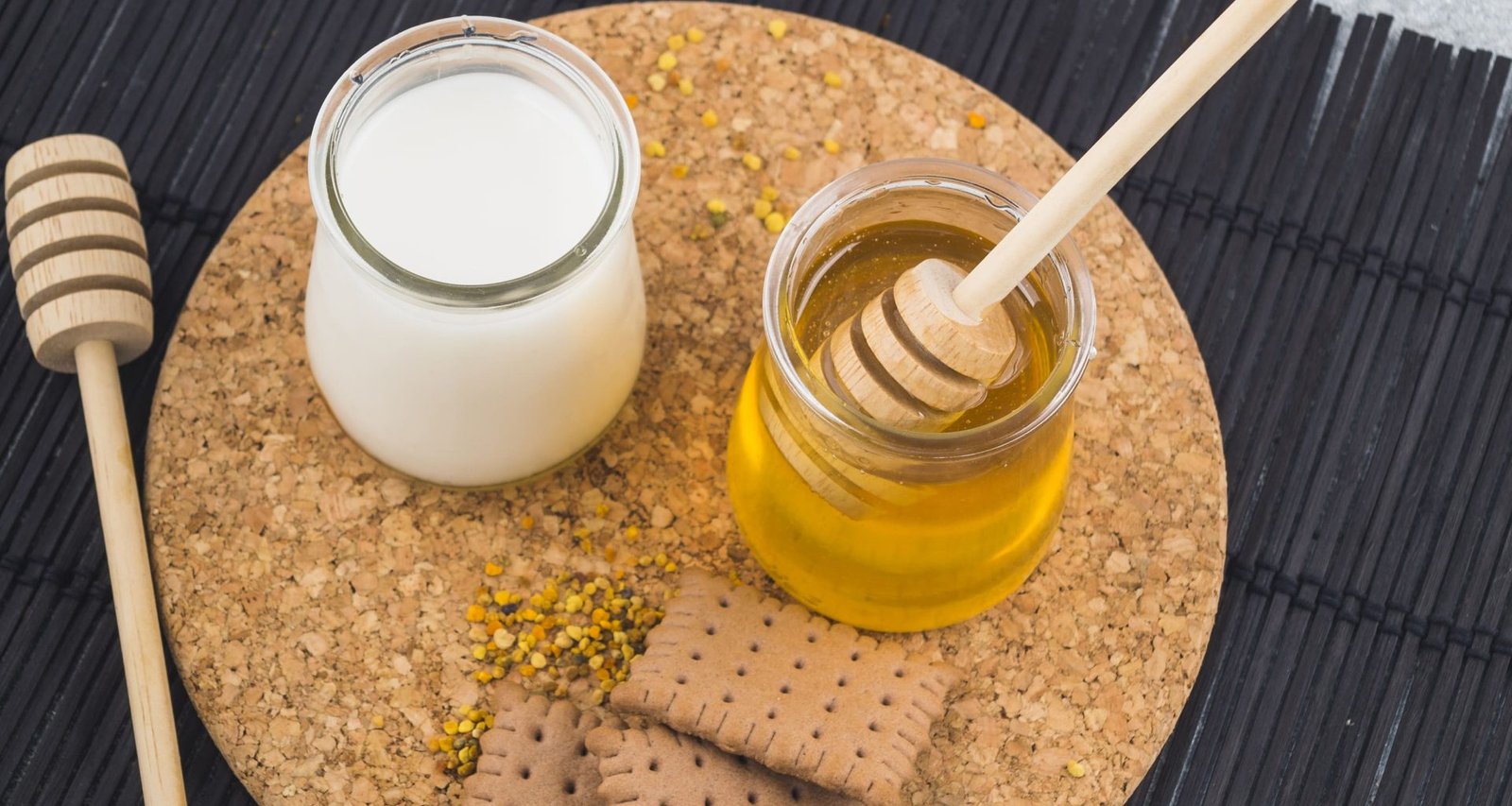
Honey is a natural sweet substance made by honeybees from the nectar of flowers. Bees collect nectar store it in their hives and allow it to thicken into the golden syrup we know as honey. It is one of the oldest natural sweeteners in the world and has been used in food medicine and skincare for centuries.
Because honey is made entirely by bees and flowers it does not contain any grains or gluten proteins. Pure honey is therefore naturally safe for people with celiac disease or gluten intolerance.
Why Pure Honey Is Gluten Free
The reason pure honey is gluten free lies in its origin. Gluten is a protein found in wheat barley and rye but honey is made from plant nectar not grains. The bees do not come into contact with gluten during the honey making process.
When you buy raw unprocessed honey that comes straight from beekeepers or trusted brands you are getting a product that is naturally gluten free and safe to enjoy.
When Honey Might Contain Gluten
Although honey itself is gluten free some honey based products are not completely safe. Gluten can enter honey in a few ways during processing packaging or through added ingredients. Here are a few situations to be aware of
Flavored Honey
Some companies add flavors such as chocolate caramel or cookies to honey to create new varieties. These flavorings can contain gluten containing ingredients like malt or wheat derivatives. Always check the ingredient label before buying flavored honey.
Honey Blends
Inexpensive honey blends may include other sweeteners such as malt syrup or barley syrup. These ingredients come from grains and contain gluten. Choose 100 percent pure honey to avoid this problem.
Cross Contamination During Production
If honey is processed or packaged in a facility that also handles gluten containing products there is a risk of cross contamination. This is especially true for flavored or spreadable honey products. Look for packaging that mentions it was produced in a dedicated gluten free facility if you are sensitive to trace gluten.
How to Choose Gluten Free Honey
Here are a few simple steps to make sure the honey you buy is truly gluten free
- Read the ingredient label carefully. It should list only honey and no added flavors or syrups.
- Look for brands that mention gluten free on the label. This helps confirm safe production practices.
- Buy raw or organic honey when possible. These are less likely to contain additives.
- Avoid cheap honey blends or flavored spreads unless you can confirm they do not contain gluten.
- If you have celiac disease stick to brands that produce honey in certified gluten free facilities.
Health Benefits of Honey
Honey is not only gluten free but also packed with nutrients and natural properties that make it a healthier alternative to refined sugar. Some of its well known benefits include
- Providing natural energy due to its carbohydrate content
- Acting as an antioxidant to help protect your body from damage
- Supporting digestive health when used in moderation
- Soothing sore throats and coughs naturally
- Helping minor cuts or burns heal faster when used topically
Although honey has many benefits it is still high in natural sugar. Consuming it in small amounts is the best way to enjoy its goodness while maintaining a balanced diet.
Gluten Free Ways to Use Honey
Honey is incredibly versatile and can be used in many gluten free recipes. Here are a few ideas to inspire you
- Drizzle honey over gluten free pancakes or waffles for a natural sweet touch
- Mix it into tea or coffee instead of sugar
- Use it as a glaze for chicken or roasted vegetables
- Add it to smoothies or yogurt for a healthy breakfast
- Combine honey with lemon juice to make a soothing drink for colds
- Use it in gluten free baking recipes as a sweetener replacement
Honey blends beautifully with both sweet and savory dishes making it a perfect staple in any gluten free kitchen.
Common Questions About Honey and Gluten
Can Bees Collect Nectar from Gluten Containing Plants
Even if bees visit crops like wheat or barley the nectar they collect does not contain gluten. Gluten is a protein found in the grain of the plant not in the flower nectar. So the honey they produce remains gluten free.
Is Raw Honey Safer for Gluten Free Diets
Yes raw honey is the safest choice because it has not been processed or mixed with other ingredients that could introduce gluten. It comes directly from the hive and is naturally pure.
Are Honey Packets at Restaurants Gluten Free
Single serve honey packets from reputable brands are usually gluten free but it is still a good idea to check the label or ask the restaurant staff if you are highly sensitive to gluten.
Final Thoughts Is Honey Gluten Free
To sum it up yes pure honey is naturally gluten free and safe for most people with celiac disease or gluten sensitivity. The only time honey becomes unsafe is when it has been mixed with gluten containing flavorings or processed in a shared facility.
When shopping look for labels that say 100 percent pure honey and avoid flavored or blended varieties unless they clearly mention gluten free on the packaging.
Honey is one of nature’s most delicious and wholesome sweeteners and it can easily fit into a gluten free lifestyle when you choose the right type.