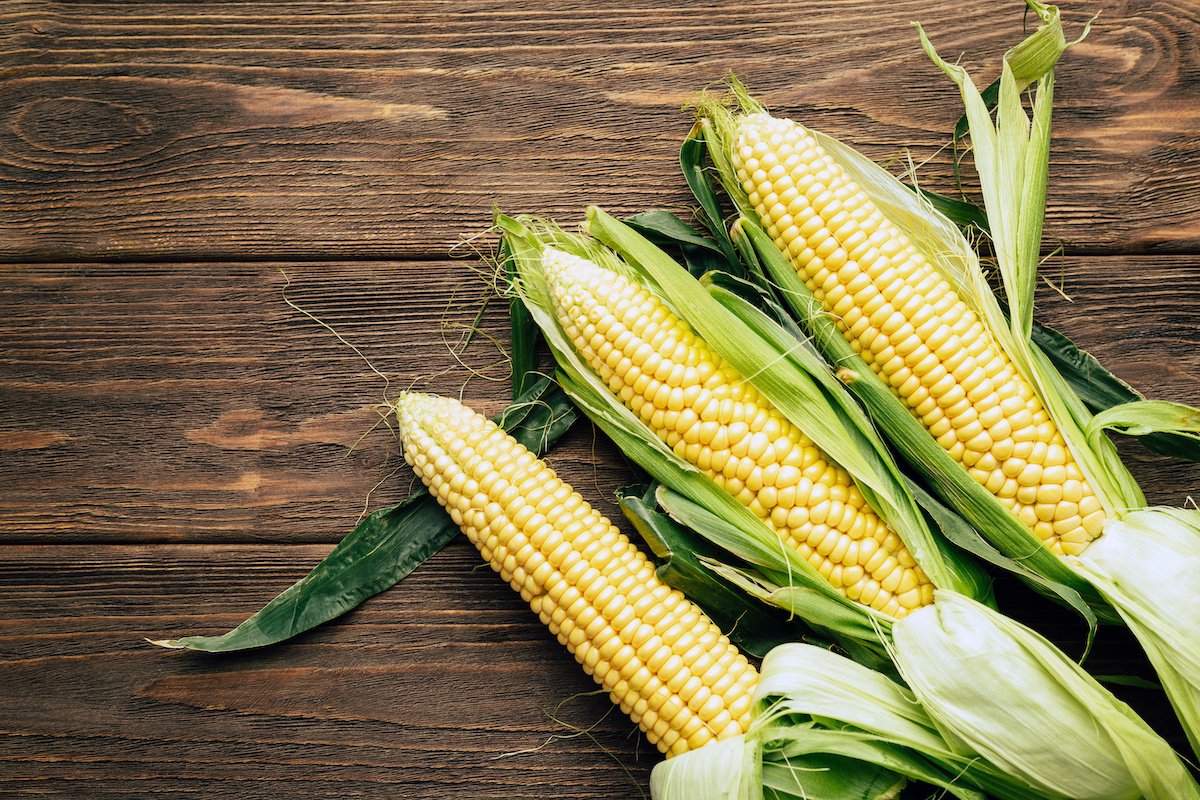

Quick answer: Yes, corn is naturally gluten-free. Despite the term “corn gluten,” it does not contain the same gluten proteins found in wheat, barley, or rye, and is safe for people with celiac disease or gluten sensitivity—if it hasn’t been contaminated during processing.
Is There Gluten in Corn?
No. Corn does not contain gluten. The term “gluten” in corn gluten refers to corn proteins, but they are not the same as wheat gluten and do not trigger autoimmune reactions in people with celiac disease.
The confusion often comes from:
- The misleading term “corn gluten meal”
- Concerns about cross-contamination in factories that process wheat and corn
Is Corn Safe for Celiac Disease?
Yes, pure corn is safe for those with celiac disease, provided it is:
- Not mixed with wheat, barley, or rye
- Processed in a gluten-free facility
- Labeled appropriately, especially if it’s a packaged or processed product
Some people with celiac or gluten intolerance report symptoms after eating corn. In these rare cases, the issue may be:
- A separate corn sensitivity (not related to gluten)
- A reaction to contaminated or improperly labeled products
What About Corn Gluten Meal?
Corn gluten meal is a byproduct of corn processing, often used as animal feed or lawn fertilizer. Despite its name, it does not contain wheat gluten and is not a source of dietary gluten.
However, it’s not meant for human consumption, and it plays no role in food labeling for gluten-free products.
Gluten-Free Corn Products You Can Eat
Here are corn-based products that are naturally gluten-free—but always check labels:
- Cornmeal
- Corn flour
- Cornstarch
- Popcorn
- Polenta
- Corn tortillas
- Cornbread (if made with gluten-free flour only)
- Corn chips (check for wheat-based flavorings or thickeners)
- Hominy or grits (check for cross-contact)
Many processed corn foods can be contaminated with gluten during manufacturing, so look for certified gluten-free labels, especially if you have celiac disease.
Safe Corn-Based Gluten-Free Brands
Tortillas:
- Mission Gluten-Free Corn Tortillas
- La Tortilla Factory Gluten-Free
- Siete Foods Grain-Free Tortillas
Cornmeal/Corn Flour:
- Bob’s Red Mill (check for certified gluten-free versions)
- Arrowhead Mills
- Great Value (Walmart’s gluten-free line)
Popcorn:
- SkinnyPop
- LesserEvil
- Angie’s BoomChickaPop (certified varieties)
Can Corn Cause Symptoms in Gluten-Sensitive Individuals?
Yes, but not because of gluten. Some people are sensitive or allergic to corn proteins themselves, which can lead to symptoms like:
- Bloating
- Gas
- Diarrhea
- Skin irritation
This is separate from gluten intolerance or celiac disease. If you react to corn but test negative for gluten issues, speak with a registered dietitian or allergist.
How to Avoid Gluten Contamination in Corn Products
To ensure corn products are truly gluten-free:
- Look for certified gluten-free seals
- Avoid products made in shared wheat processing facilities
- Stay away from bulk bins or unlabeled mixes
- Double-check the ingredient list and allergen statement
Even simple items like cornbread, tortilla chips, or grits can contain wheat-based thickeners or flavorings, so label reading is essential.
Related FAQs
Is corn gluten the same as wheat gluten?
No. Corn gluten refers to corn proteins, which are not the same as the gluten found in wheat, barley, or rye.
Can people with celiac disease eat corn?
Yes, pure corn is safe. Just make sure it’s not contaminated or processed in a facility with gluten.
Why does corn cause symptoms if it’s gluten-free?
Some people have a separate sensitivity or allergy to corn proteins. This is not the same as gluten intolerance.
Is popcorn gluten-free?
Yes, plain popcorn is gluten-free. Check flavored popcorn for hidden gluten ingredients or seasoning blends.
Are corn tortillas gluten-free?
Yes, if made only with corn. Some brands mix wheat flour into their tortillas, so always read labels.
Final Thoughts
Corn is a naturally gluten-free grain and a staple in many gluten-free diets. While the term “corn gluten” can cause confusion, it has no relation to wheat gluten and is safe for people with celiac disease when properly sourced.
The key to safety lies in choosing certified gluten-free corn products, checking labels, and avoiding cross-contact with wheat-based ingredients. With care, corn can remain a delicious, healthy part of your gluten-free lifestyle.