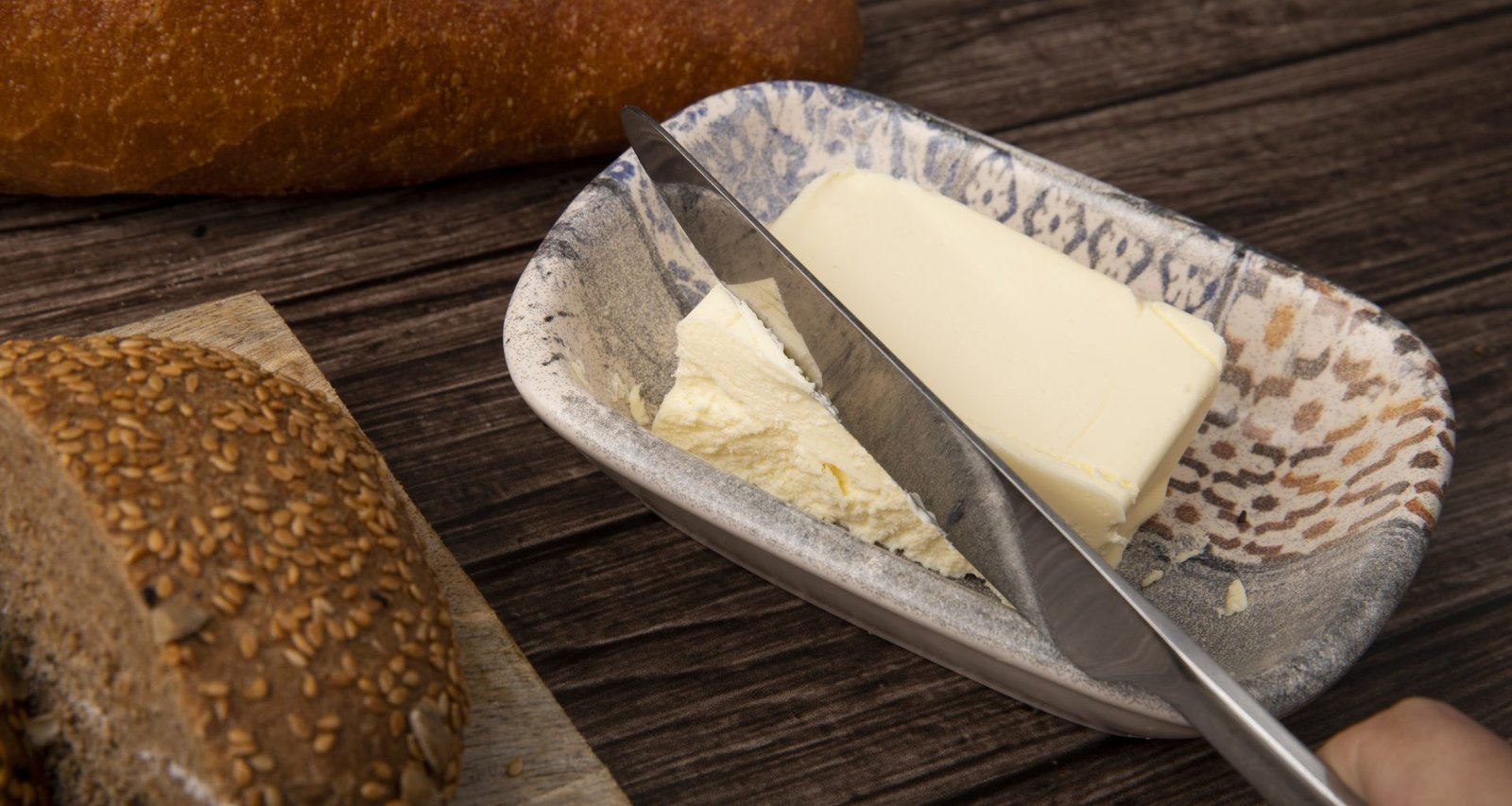

Butter is a staple ingredient in many kitchens, used in baking, cooking, and as a spread. For individuals following a gluten-free diet, it is important to know whether butter is safe to consume, especially considering the risk of cross-contamination and added ingredients.
This guide explores:
- Whether butter is naturally gluten-free
- Which butter products may contain gluten
- How to avoid cross-contamination
- Gluten-free butter alternatives
Is Butter Gluten-Free?
Short Answer: Yes, Pure Butter is Naturally Gluten-Free
Butter is made from churned cream or milk, which does not contain gluten. As long as it is pure, unflavored butter, it is safe for individuals with celiac disease or gluten sensitivity.
However, some flavored, seasoned, or processed butter varieties may contain gluten-based additives, so it is important to check ingredient labels.
Butter Products That May Contain Gluten
While plain butter is naturally gluten-free, certain processed or flavored butter products may contain gluten.
1. Flavored and Seasoned Butter
Some butter products include added ingredients such as herbs, spices, and seasonings, which may contain hidden gluten.
Examples of butter products that may contain gluten:
- Garlic or herb butter (if thickeners or flavor enhancers are added)
- Cinnamon or honey butter (may contain gluten-based additives)
- Compound butters (may include gluten-containing ingredients)
Tip: Always check the ingredient list and food labels to ensure that flavored butter is gluten-free.
2. Butter Blends and Margarine
Some butter substitutes and margarine brands contain stabilizers or emulsifiers derived from gluten-containing ingredients.
Tip: Look for brands that are certified gluten-free to avoid potential gluten exposure.
3. Cross-Contamination Risks
Even if butter does not contain gluten as an ingredient, it may become contaminated through:
- Shared cutting boards, knives, and toasters
- Spreading butter on gluten-containing bread and then using the same knife
- Manufacturing facilities that process both gluten-containing and gluten-free products
Tip: Use a separate butter dish and utensil if you are sharing a kitchen with individuals who consume gluten.
Gluten-Free Alternatives to Butter
For individuals who are avoiding gluten or prefer non-dairy options, there are several gluten-free butter alternatives available.
1. Margarine
Most margarine brands are gluten-free, but always check labels for potential gluten-containing additives.
2. Plant-Based Butter Substitutes
Dairy-free and vegan butter alternatives made from coconut, avocado, or olive oil are naturally gluten-free.
Popular brands include Earth Balance, Miyoko’s, and Country Crock Plant Butter.
3. Homemade Dairy-Free Butter
Made from blended coconut oil, cashews, or plant-based oils.
Provides a gluten-free, dairy-free alternative for baking and cooking.
How to Identify Gluten in Butter Products
To ensure that butter is gluten-free, follow these steps:
1. Read Ingredient Labels
Look for hidden gluten sources such as:
- Modified food starch (may be derived from wheat)
- Artificial flavorings
- Malt-based ingredients
2. Check for a Gluten-Free Certification
Products labeled “Certified Gluten-Free” meet FDA gluten-free standards, ensuring they contain less than 20 ppm of gluten.
3. Be Cautious with Bulk Purchases
Buying butter from bulk bins or delis increases the risk of cross-contact with gluten-containing products.
Nutritional Benefits of Butter
Butter is a natural source of essential nutrients and plays a role in a balanced diet.
Key Nutritional Components:
- Fat – Provides energy and supports vitamin absorption.
- Calcium – Essential for strong bones and teeth.
- Vitamins A, D, E, and K – Important for vision, immunity, and overall health.
- Calories – A concentrated source of energy.
While butter contains saturated fat, consuming it in moderation can be part of a healthy diet.
Frequently Asked Questions
1. Is butter gluten-free?
Yes, pure butter is naturally gluten-free, but flavored or processed varieties may contain gluten additives.
2. Can flavored butter contain gluten?
Yes, flavored or seasoned butter may have gluten-containing thickeners, stabilizers, or additives. Always check labels.
3. How can I avoid gluten contamination in butter?
Use a separate butter dish and utensils to prevent cross-contact with gluten-containing foods.
4. Is margarine a gluten-free alternative to butter?
Many margarine brands are gluten-free, but check for gluten-free certification on the label.
5. What is the best gluten-free butter substitute?
Plant-based butters made from coconut, olive, or avocado oil provide a safe, dairy-free, gluten-free alternative.
Final Verdict: Is Butter Safe for a Gluten-Free Diet?
Butter is naturally gluten-free, making it safe for individuals with celiac disease, gluten intolerance, or gluten sensitivity. However, certain flavored or processed butters may contain gluten-based additives, and cross-contamination can be a concern.
To safely enjoy butter:
- Choose pure, unflavored butter
- Read ingredient labels carefully
- Look for certified gluten-free brands
- Be mindful of cross-contamination risks
For those who prefer dairy-free options, plant-based butter substitutes provide a safe alternative.