
Short answer: Check for a certified gluten-free label, review the ingredient list for wheat, barley, or rye, and look for cross-contamination warnings.
How Do You Know If a Product Is Gluten-Free?
Knowing whether a product is gluten-free starts with reading the label carefully. Gluten is commonly found in wheat, barley, rye, and ingredients derived from these grains. If you have celiac disease or gluten sensitivity, you need to verify every product before consuming it.
Look for three things:
- A gluten-free label
- Absence of gluten-containing ingredients
- No cross-contact risks listed in allergen statements
What Does “Gluten-Free” on a Label Really Mean?
In the United States, the FDA defines “gluten-free” as a food that contains less than 20 parts per million (ppm) of gluten. This level is generally considered safe for people with celiac disease.
Look for:
- “Certified Gluten-Free” from trusted organizations (e.g., GFCO)
- “Gluten-Free” printed on the front or back of the package
- Third-party seals and verification symbols
If a product has been certified gluten-free, it has been tested and verified through stricter standards than those required by the FDA.
How to Read Ingredient Lists for Gluten
Some gluten ingredients are obvious, but others are hidden behind less familiar terms.
Common gluten-containing ingredients:
- Wheat (including spelt, semolina, durum, kamut)
- Barley
- Rye
- Triticale (a wheat-rye hybrid)
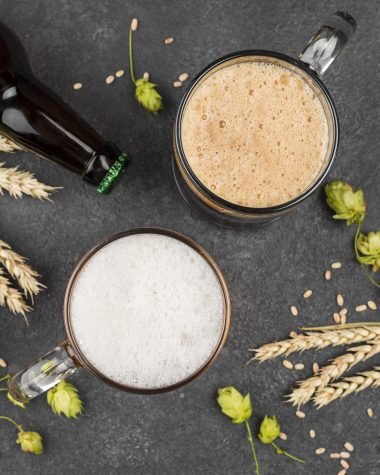
- Malt (malt vinegar, malt extract, malt flavoring)
- Brewer’s yeast
- Wheat starch (unless labeled “gluten-free wheat starch”)
Potential hidden sources of gluten:
- Modified food starch (if not specified as corn- or potato-based)
- Natural flavors
- Seasoning blends
- Hydrolyzed wheat protein
- Soy sauce (unless gluten-free or tamari)
Always read the entire ingredient list, even if the product says “natural” or “wheat-free.” Not all wheat-free foods are gluten-free.
What Is Cross-Contact and Why Does It Matter?
Cross-contact happens when gluten-free products come into contact with gluten during production, processing, or packaging. This can occur on shared equipment or even during transportation.
Look for these warnings on packaging:
- “Processed in a facility that also processes wheat”
- “May contain traces of wheat”
- “Manufactured on shared equipment with gluten”
For people with celiac disease, even trace amounts of gluten can trigger symptoms. Choose products made in dedicated gluten-free facilities whenever possible.
Apps and Tools That Help Identify Gluten-Free Products
Technology can make gluten-free shopping easier. Here are some popular mobile apps that help identify gluten-free products:
- The Gluten Free Scanner – Scan barcodes to verify if a product is gluten-free
- Fig App – Customizable filters for gluten, dairy, soy, etc.
- Spoonful App – Real-time product analysis with ingredient breakdowns
- ShopWell – Product ratings based on your dietary profile
These tools are especially useful for navigating large grocery stores or scanning lesser-known brands.
How to Tell If Supplements and Medications Are Gluten-Free
Don’t forget that vitamins, supplements, and medications may contain gluten in binders, coatings, or inactive ingredients.
Check the label or visit the manufacturer’s website. Look for:
- “Gluten-Free” label
- Certification from NSF or USP
- Ingredient list with no wheat, malt, or starches unless clarified
If the information isn’t clear, contact the manufacturer directly.
What If a Product Doesn’t Say “Gluten-Free”?
If a product isn’t labeled gluten-free, and:
- You see no obvious gluten ingredients
- There’s no allergen warning about wheat
- It’s made by a brand known for gluten-free safety
…then the product may be safe for those with non-celiac gluten sensitivity, but it’s not guaranteed safe for celiac disease.
When in doubt, choose a product that’s certified gluten-free.
Frequently Asked Questions
How do you check if a product is gluten-free?
Look for a gluten-free label, scan for certified seals, read the ingredient list, and check for cross-contamination warnings.
What are hidden sources of gluten in packaged foods?
Common hidden ingredients include malt, modified food starch, natural flavors, soy sauce, and hydrolyzed wheat protein.
Is “wheat-free” the same as gluten-free?
No. A product can be wheat-free but still contain gluten from barley or rye.
Can I trust the “gluten-free” label?
Yes, if it follows FDA labeling laws. For added assurance, look for third-party certification.
Are all oats gluten-free?
Oats are naturally gluten-free but often contaminated during processing. Look for “certified gluten-free oats.”
Final Thoughts
Knowing how to tell if a product is gluten-free is essential for managing celiac disease, gluten intolerance, or a strict gluten-free lifestyle. By learning to read labels, understand certifications, and identify hidden gluten sources, you can shop with confidence and protect your health.
Always double-check products—especially if they are new, imported, or unfamiliar—and when in doubt, stick with brands and items you trust.