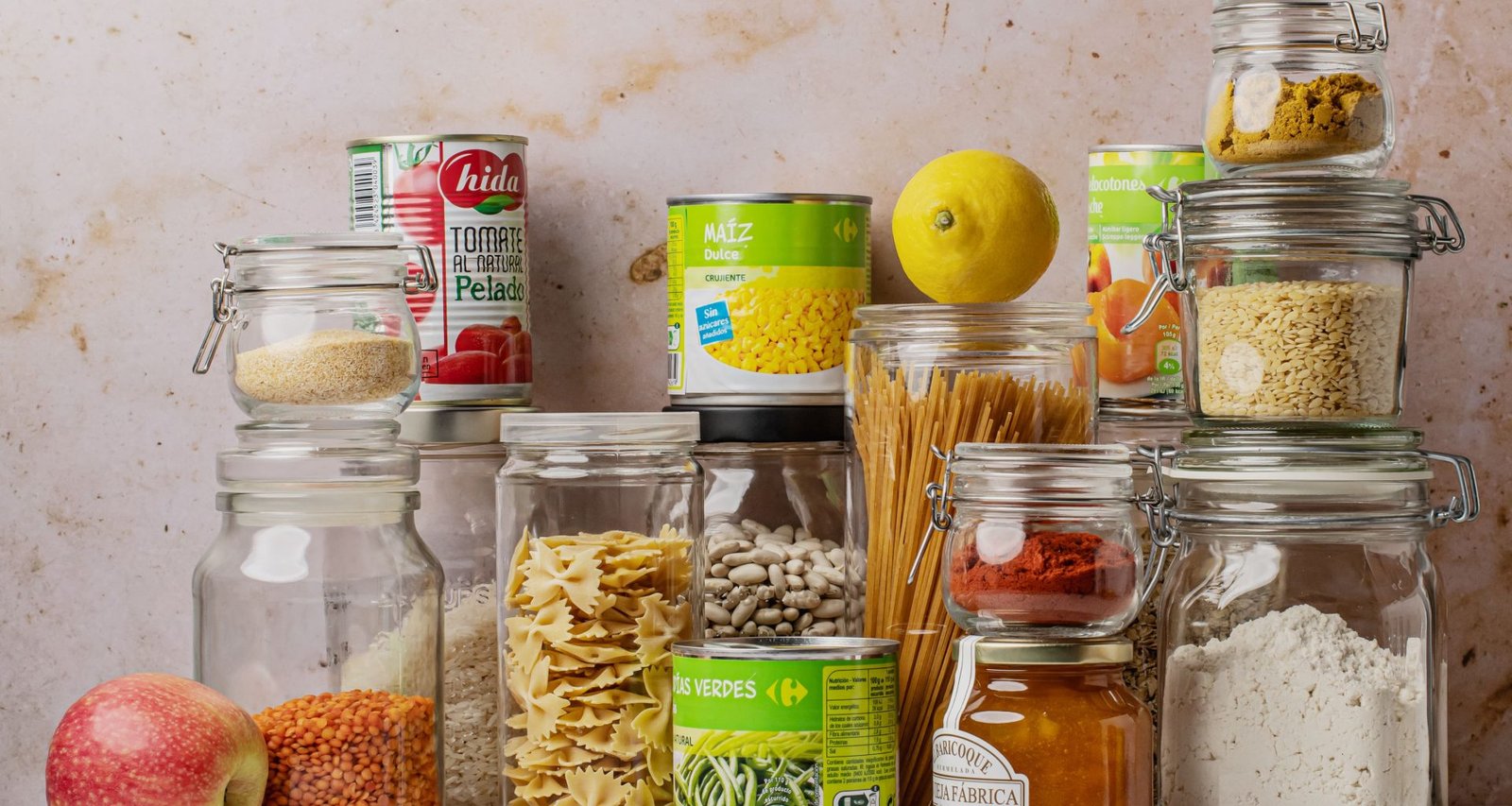

Quick answer: A gluten-free pantry should include whole grains like rice and quinoa, certified gluten-free flours, shelf-stable proteins, sauces, and snacks made without wheat, barley, or rye.
Why Build a Gluten-Free Pantry?
Having a dedicated gluten-free pantry helps you:
- Avoid cross-contamination
- Cook meals quickly with trusted ingredients
- Simplify grocery shopping
- Stay safe if you or a family member has celiac disease or gluten intolerance
A well-stocked pantry is essential for anyone following a long-term gluten-free diet. It ensures that you always have safe ingredients on hand to prepare healthy meals and snacks.
Grains and Starches to Keep on Hand
Choose naturally gluten-free grains and ensure they are certified gluten-free to avoid contamination during processing.
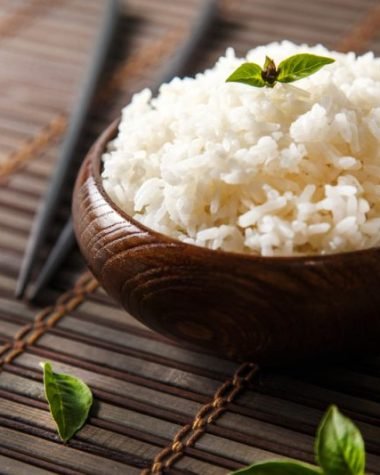
- White and brown rice
- Quinoa
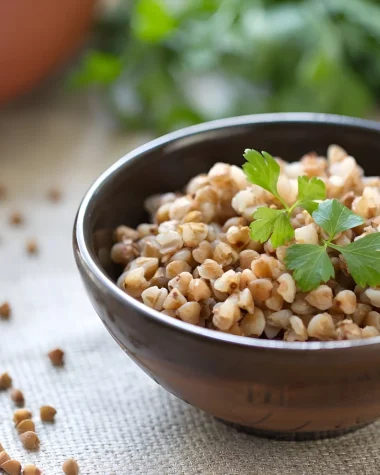
- Buckwheat
- Millet
- Amaranth
- Polenta (cornmeal)
- Gluten-free oats (check for certification)
- Tapioca starch
- Potato starch
- Cornstarch
- Arrowroot powder
These can be used as bases for bowls, porridge, baking, or side dishes.
Gluten-Free Flours for Baking and Cooking
You don’t need wheat to bake delicious bread or treats. Keep a variety of gluten-free flours for different uses:
- Almond flour
- Coconut flour
- Sorghum flour
- Teff flour
- Rice flour (white or brown)
- Chickpea flour (also called gram or besan flour)
- Cassava flour
- Gluten-free all-purpose flour blend (pre-mixed)
Look for certified gluten-free labels, especially if you’re baking for someone with celiac disease.
Canned and Shelf-Stable Proteins
High-protein foods are critical in any diet. Keep these safe, shelf-stable proteins ready:
- Canned beans (black, kidney, chickpeas)
- Canned lentils
- Canned tuna, salmon, or sardines
- Nut butters (peanut butter, almond butter – check for no added wheat-based thickeners)
- Shelf-stable tofu or tempeh (verify gluten-free certification)
- Canned chicken
Protein sources are often naturally gluten-free, but always read the labels.
Gluten-Free Pasta, Crackers, and Grains
There are many gluten-free alternatives to traditional wheat-based staples:
- Gluten-free pasta (rice, corn, chickpea, quinoa)
- Gluten-free crackers
- Corn tortillas
- Rice cakes
- Gluten-free instant noodles (watch seasoning packets)
Brands like Barilla, Jovial, and Tinkyada offer gluten-free pasta options made in dedicated facilities.
Condiments, Sauces, and Seasonings
Keep gluten-free condiments that add flavor to meals without risk:
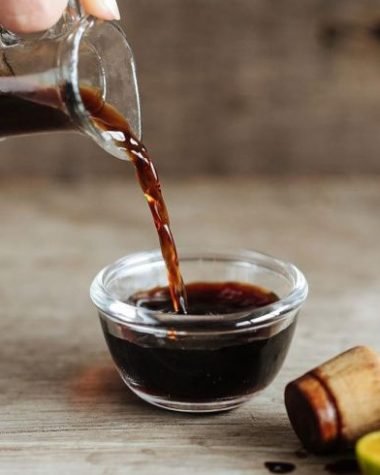
- Tamari or gluten-free soy sauce
- Coconut aminos
- Vinegar (apple cider, balsamic, distilled white – except malt vinegar)
- Ketchup and mustard (check labels)
- Mayonnaise
- Tomato paste and pasta sauce (verify no malt or wheat thickeners)
- Gluten-free salad dressings
- Hot sauce and salsa
Always check for hidden gluten in ingredient lists like malt extract, wheat starch, or soy sauce.
Snacks and Baking Essentials
Safe gluten-free snacks and baking ingredients can make mealtime easier and more enjoyable.
Snacks:
- Gluten-free granola or snack bars
- Popcorn
- Dried fruits and nuts
- Gluten-free pretzels
- Dark chocolate
- Gluten-free trail mix
Baking Essentials:
- Baking soda and baking powder
- Xanthan gum (helps replace the elasticity of gluten)
- Pure vanilla extract
- Cocoa powder
- Unflavored gelatin or agar-agar
These essentials make it easy to whip up gluten-free baked goods on demand.
Tips to Avoid Cross-Contamination at Home
- Store gluten-free items separately from gluten-containing ones
- Use color-coded containers or labels
- Clean all utensils and surfaces before cooking
- Use separate toasters, cutting boards, and measuring tools
- Don’t double-dip knives or spreaders between gluten and gluten-free products
If others in your household eat gluten, maintaining a designated gluten-free pantry section helps prevent accidental exposure.
Budget and Storage Tips
- Buy pantry staples like rice, lentils, and flours in bulk
- Choose shelf-stable items with long expiration dates
- Keep baking flours in airtight containers to extend freshness
- Use vacuum-sealed storage for long-term gluten-free food preservation
Planning ahead saves money and reduces stress when cooking gluten-free meals at home.
Frequently Asked Questions
What should I stock in a gluten-free pantry?
Include certified gluten-free grains, flours, canned proteins, safe condiments, pasta, and snacks that don’t contain wheat, barley, or rye.
How do I know if flour is gluten-free?
Check for certification. Many single-ingredient flours are naturally gluten-free but may be processed in shared facilities.
Are oats gluten-free?
Oats are naturally gluten-free but often contaminated with wheat during processing. Look for certified gluten-free oats.
What condiments are safe for gluten-free diets?
Plain ketchup, mustard, tamari, coconut aminos, and certified salad dressings are usually safe. Always read the label.
Can I store gluten-free and gluten foods together?
It’s safest to separate them. Use different containers and cooking tools to prevent cross-contact.
Final Thoughts
A well-planned gluten-free pantry makes daily cooking easier, safer, and more convenient—especially for households managing celiac disease or gluten intolerance. By stocking trusted brands and certified products, you can avoid accidental gluten exposure and enjoy stress-free meals.
Build your pantry step by step, and always read labels to confirm safety. With a thoughtful setup, you’ll always be ready to create safe, satisfying, gluten-free dishes.