
Starting your day with a gluten free diet breakfast doesn’t have to be confusing or boring. Whether you’re newly diagnosed with celiac disease, managing gluten intolerance, or simply choosing a healthier breakfast routine, this guide will show you practical gluten free breakfast options, safe foods to eat, delicious ideas, and a breakfast meal plan to keep you energized all week.
Many people wonder “what can I eat on a gluten‑free diet?” and “what foods do you avoid in a gluten‑free diet?” at breakfast time. With the right ingredients and planning, you can enjoy a variety of nutritious, satisfying breakfast foods that are naturally gluten‑free. Combining clinical insights with real‑world recipes gives you options backed by experts and enjoyable for everyday life.
What Is a Gluten Free Diet Breakfast?
A gluten free breakfast is a morning meal that contains no gluten a protein found in wheat, barley, rye, and derivatives. People with celiac disease or gluten intolerance must avoid gluten because it can trigger digestive issues, autoimmune responses, or general discomfort. For beginners, knowing what to eat and what to avoid is key to a successful gluten‑free diet.
A balanced breakfast gluten free meal emphasizes whole foods, lean proteins, fruits, and fiber to support digestion and long‑lasting energy throughout the morning.
Why Choose Gluten Free Breakfast Foods?
People choose a gluten‑free breakfast for many reasons:
- Celiac disease or gluten intolerance: Gluten triggers immune responses and digestive symptoms, so removing it helps reduce inflammation and discomfort.
- Better digestion: Gluten removal often improves bloating and gut health for sensitive individuals.
- More nutrient density: Naturally gluten‑free foods like eggs, yogurt, fruits, and oats (certified) are rich in protein, vitamins, and fiber.
Naturally Gluten Free Breakfast Foods
Here’s a list of naturally gluten free breakfast foods you can enjoy daily:
Proteins
- Eggs: scrambled, boiled, omelets versatile and naturally gluten‑free
- Greek yogurt: choose plain or fruit‑sweetened
- Smoothies: blend fruits, greens, dairy or plant milk
Whole Foods
- Fruits: berries, bananas, citrus
- Vegetables: sautéed spinach, tomatoes, avocado
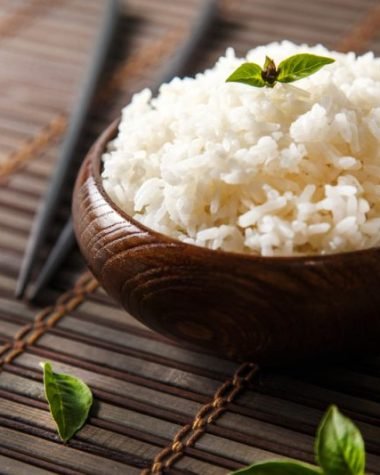
- Rice dishes: rice bowls with eggs or veggies
- Certified gluten‑free oats: oatmeal made with oats labeled gluten‑free
These foods are safe for celiacs and great for anyone seeking a gluten‑free breakfast packed with nutrients and taste.
Quick & Easy Gluten Free Breakfast Ideas
If your mornings are hectic, here are simple gluten free breakfast ideas that require little prep:
1. Overnight Oats (Certified GF Oats)
Combine gluten‑free oats, chia seeds, almond milk, and fruit. Refrigerate overnight for a grab‑and‑go breakfast.
2. Veggie Egg Muffins
Whisk eggs with spinach, bell peppers, and cheese. Bake in muffin tins for a week’s supply of protein‑rich breakfasts.
3. Gluten Free Smoothie Bowl
Blend berries, banana, almond milk, and top with seeds and coconut flakes (no granola unless GF).
4. Avocado Toast on Gluten Free Bread
Use certified GF bread add lemon, olive oil, and a sprinkle of salt.
These are ideal for gluten free breakfast on the go or a simple routine before work or school.
Gluten Free Breakfast Recipes Worth Trying
Getting creative at home makes gluten free breakfasts exciting:
Gluten Free Pancakes
Mix gluten‑free flour, eggs, milk, mashed banana, and a pinch of baking powder. Cook until golden brown. Serve with fresh berries.
Gluten Free Waffles
Use GF waffle mix or make your own with almond flour, eggs, and honey. Top with fruit or Greek yogurt.
Rice Breakfast Bowl
Warm rice with cinnamon, honey, almond milk, and slices of apple or banana.
Green Smoothie
Blend spinach, cucumber, kiwi, coconut water, and a scoop of protein powder (check gluten‑free label).
These homemade gluten free breakfast meals are comforting, wholesome, and suitable for the entire family.
Gluten Free Breakfast Meal Plan (Sample)
A 7 day gluten free breakfast plan helps remove guesswork:
| Day | Breakfast |
|---|---|
| Mon | Greek yogurt with berries |
| Tue | Omelet with veggies |
| Wed | Gluten free pancakes |
| Thu | Smoothie bowl |
| Fri | Scrambled eggs + fruit |
| Sat | Gluten free waffles |
| Sun | Rice bowl with cinnamon & fruit |
Download this gluten free breakfast chart or customize it to your breakfast preferences and lifestyle.
Gluten Free Breakfast for Beginners & Celiacs
For those new to a gluten‑free diet:
- Stick to naturally GF foods (eggs, fruits, yogurt).
- Avoid breads, cereals, pastries unless clearly labeled gluten‑free.
- Read labels gluten can hide in additives or flavorings.
A gluten free breakfast for beginners focuses on safe staples first, then expands as you become comfortable identifying gluten‑free alternatives.
Healthy & Weight‑Friendly GF Breakfasts
If your goals include weight management or overall health:
High Protein Breakfasts
- Scrambled eggs & spinach
- Greek yogurt parfait (no granola)
Low Carb Options
- Vegetable omelet
- Avocado and smoked salmon
Anti‑Inflammatory Choices
- Oats with cinnamon and berries
- Fruit salad with nuts
These meals are not only gluten free but also high in nutrition and supportive of gut health — essential for many on gluten‑free diets.
Dairy‑Free & Vegan Gluten Free Breakfasts
Need plant‑based or dairy‑free options? Try:
- Vegan smoothie bowl: kale, banana, chia seeds
- Tofu scramble: tofu, turmeric, veggies
- Vegan gluten‑free muffins: GF flour, applesauce, berries
Each is both gluten free and dairy free — ideal for multi‑allergy breakfast needs.
Eating Out: Gluten Free Breakfast Restaurants
When dining out for breakfast or grabbing a gluten free breakfast fast food:
- Ask for ingredients and check if gluten cross‑contact is prevented.
- Choose simple dishes like scrambled eggs, fruit plates, or omelets.
- Avoid pastries or items with bread unless certified gluten‑free.
Many cafes and restaurants now list gluten‑free breakfast options on their menus — just ask!
What to Avoid at Breakfast on a Gluten‑Free Diet
While plenty is safe, avoid:
Wheat toast
Pancakes or waffles with regular flour
Cereals not labeled gluten‑free
Muffins or pastries from standard bakeries
Breakfast cereals with barley malt
These contain gluten and can provoke symptoms in sensitive individuals.
Benefits of a Gluten Free Breakfast
A well‑planned gluten free breakfast menu can:
Improve digestion
Reduce inflammation
Support blood sugar balance
Reduce bloating and discomfort
Provide sustained energy
Choosing whole, naturally gluten‑free foods supports wellness and keeps your diet balanced and nutrient‑rich.
Gluten Free Breakfast FAQs
What can I eat on a gluten‑free diet?
Naturally gluten‑free foods like eggs, fruit, yogurt, gluten‑free oats, and rice are staples of a gluten‑free diet.
What foods do you avoid in a gluten‑free diet?
Avoid wheat, barley, rye, and most breads, cereals, and pastries unless clearly labeled gluten‑free.
Why are doctors sometimes cautious about gluten‑free diets?
If not medically necessary, cutting gluten may reduce fiber intake — so balance is key.
What foods are high in gluten?
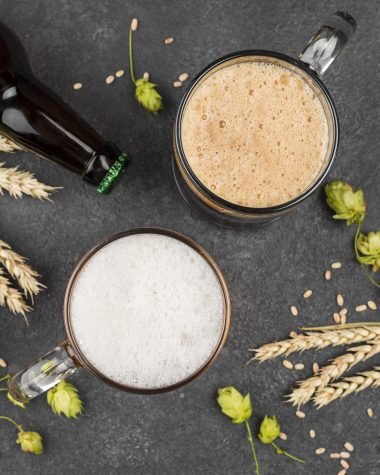
Bread, wheat pasta, cereal, rye bread, beer, and many baked goods.
Final Thoughts on Gluten Free Diet Breakfast
Eating a gluten free breakfast is about choosing foods that nourish your body while avoiding gluten triggers. From beginner‑friendly options to weekly meal plans and healthy recipes, this guide offers a complete roadmap for delicious, safe, and satisfying morning meals whether you’re managing celiac disease or just optimizing your diet for better health.