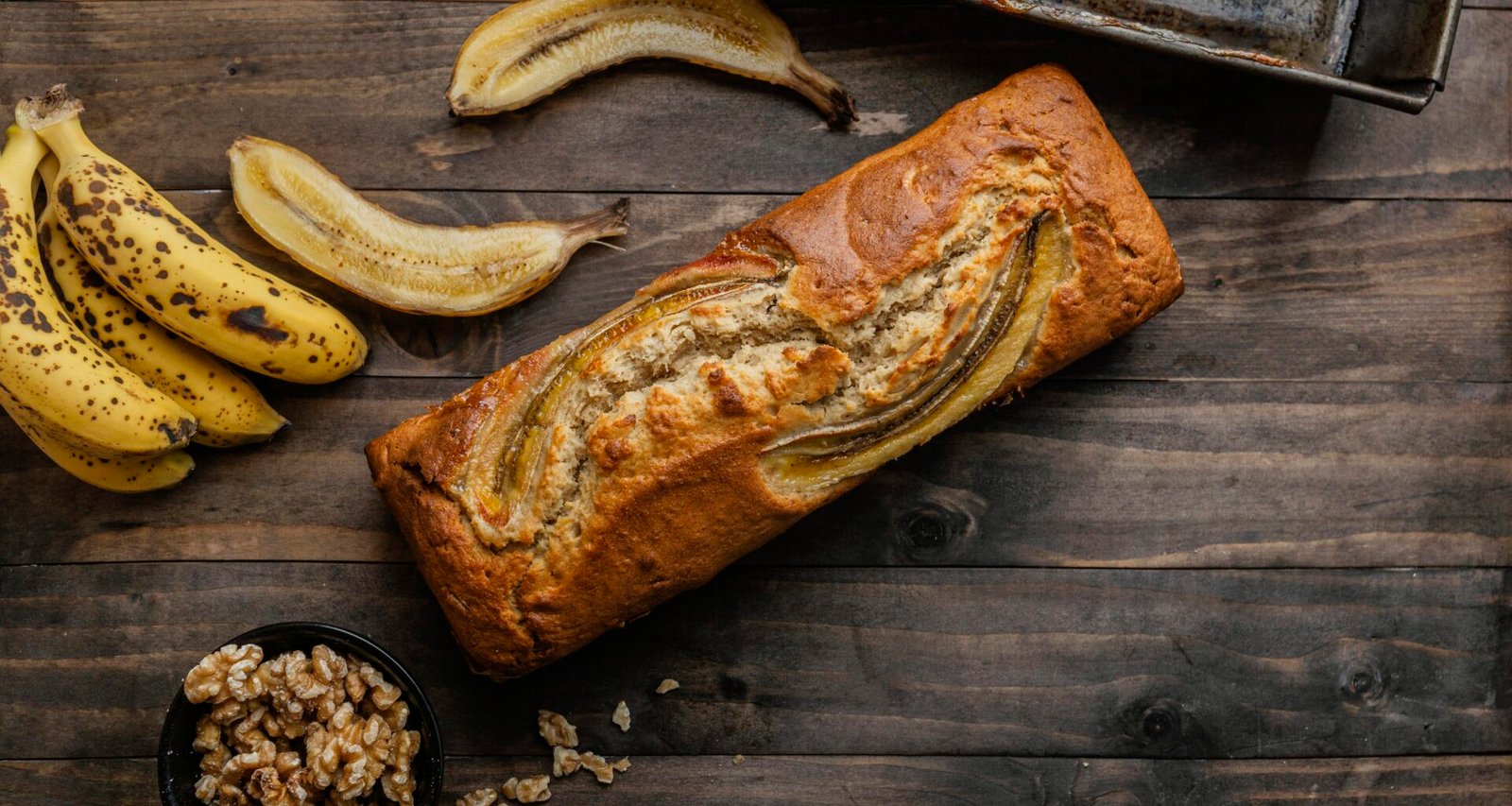

Looking for a moist, delicious banana bread that fits a gluten‑free lifestyle? This gluten‑free banana bread loaf is soft, flavorful, and simple enough for first‑time bakers. Using ripe bananas, gluten‑free flour (with xanthan gum), and a handful of staple ingredients, you’ll bake a loaf that rivals traditional banana bread without gluten, but with all the flavor.
Banana bread is naturally a great candidate for a gluten‑free switch: the bananas themselves provide moisture and structure, eggs bind the loaf, and the butter (or a dairy‑free fat substitute) ensures richness. The flour contributes less to the texture than in typical breads. With the right balance of gluten‑free flour, baking soda, and proper mixing, you can enjoy a tender, moist loaf every time.
Why Gluten‑Free Banana Bread Works
Because banana bread doesn’t rely heavily on gluten for structure, it’s an excellent treat to adapt. The mashed bananas give moisture and sweetness, the eggs and butter add structure and richness which means you can substitute traditional wheat flour for a gluten‑free all‑purpose flour (preferably one containing xanthan gum) and still achieve a lovely texture. Recipes show that gluten‑free banana bread can be soft, moist, and delicious “you’d never know it just so happens to be gluten‑free.
Using over‑ripe bananas (the sweeter the better) helps the loaf stay moist and flavorful. The natural sugars from bananas compensate when you reduce refined sugar or replace butter with a lighter fat making this bread a good candidate for “healthy,” “dairy‑free,” or “simple” versions.
Easy Gluten‑Free Banana Bread Recipe
Ingredients
- 2–3 very ripe bananas, mashed Mama Knows Gluten Free+1
- 1 teaspoon baking soda
- 1/3 cup unsalted butter, melted (or dairy‑free butter/oil for dairy‑free)
- 3/4 cup granulated sugar (or alternative sweetener)
- Pinch of salt
- 2 large eggs, beaten
- 1 teaspoon pure vanilla extract
- 1½ cups gluten‑free all‑purpose flour (with xanthan gum)
- (Optional) 1/4 teaspoon extra xanthan gum — only if your flour blend doesn’t already contain it.
Instructions
- Preheat your oven to 350°F (about 177°C). Grease a 4 × 8‑inch loaf pan with cooking spray or line with parchment.
- In a mixing bowl, mash the ripe bananas until smooth. Add the baking soda and stir.
- Pour in the melted butter (or substitute oil) and stir to combine.
- Mix in the sugar, salt, beaten eggs, and vanilla until well combined.
- Fold in the gluten‑free flour (and xanthan gum, if needed) until just combined avoid over‑mixing.
- Pour the batter into the prepared loaf pan. Smooth the top with a spatula.
- Bake for about 50 minutes, or until a toothpick inserted in the center comes out clean. Cooling helps set the loaf so slices don’t crumble. (Cooking times may vary slightly depending on your oven.)
Once cooled, slice and enjoy plain or with butter, jam, or a spread of your choice.
Variations & Dietary Tweaks
Because this base recipe is flexible, you can easily adjust for different dietary needs or flavor preferences.
Gluten‑Free + Dairy‑Free / “Clean” Version
Swap butter with coconut oil or dairy‑free margarine. Some bakers also use plant‑based milk instead of regular milk especially helpful if you want a fully dairy‑free loaf. This makes the recipe friendly for people with lactose intolerance or those following a dairy‑free diet.
Grain‑Free / Paleo‑Style Banana Bread
If you prefer grain‑free baking, you can explore versions using almond flour or oat flour instead of a commercial gluten‑free blend. (Note: texture will be slightly different more dense, but still moist and tasty.)
Add‑Ons: Nuts & Chocolate Chips
Feel free to fold in chopped nuts (walnuts, pecans) or chocolate chips to add texture and extra flavor. This turns your loaf into a gluten‑free banana nut bread or a banana bread with chocolate chips perfect for dessert or a richer snack.
Lower‑Sugar or “Healthier” Option
You can reduce the sugar amount or substitute with natural sweeteners (like maple syrup or coconut sugar), though you may need slight adjustments to wet/dry ratios if sweetener is liquid.
Tips for Best Results
- Always use very ripe bananas their natural sweetness and moisture help compensate for the absence of gluten. Over‑ripe bananas (with brown spots) are ideal.
- Use a gluten‑free flour blend with xanthan gum. If your blend lacks it, add about 1/4 teaspoon this helps mimic gluten’s binding and structure.
- Don’t over‑mix the batter once flour is added mixing too much develops gluten in wheat recipes, but in gluten‑free baking it can make the loaf dense or gummy.
- Measure dry flour with the spoon-and-level method rather than packing it this ensures you don’t add too much flour, which can dry out the loaf.
- Let the loaf cool completely before slicing gluten‑free bread tends to set better as it cools, preventing crumbling.
Who This Gluten‑Free Banana Bread is For
- Anyone who needs or prefers a gluten‑free diet whether due to celiac disease, gluten sensitivity, or personal choice.
- People wanting a simple, reliable banana bread recipe that still tastes moist and satisfying.
- Folks looking to adapt for dairy‑free, grain‑free, or lower‑sugar diets the recipe is flexible and forgiving.
- Beginners or first‑time bakers this banana bread is straightforward, forgiving, and hard to get wrong if you follow the basic steps.
Final Thoughts
Making gluten‑free banana bread doesn’t have to mean compromising on taste or texture. With a good gluten‑free flour blend, ripe bananas, and a few simple ingredients, you can whip up a loaf that’s moist, tasty, and perfect for breakfast, snack time, or dessert. Whether you like it plain, nutty, chocolate‑chip loaded, or dairy‑free this recipe offers a dependable base to build on. Bake once, and you’ll have a go-to gluten‑free banana bread in your recipe repertoire.