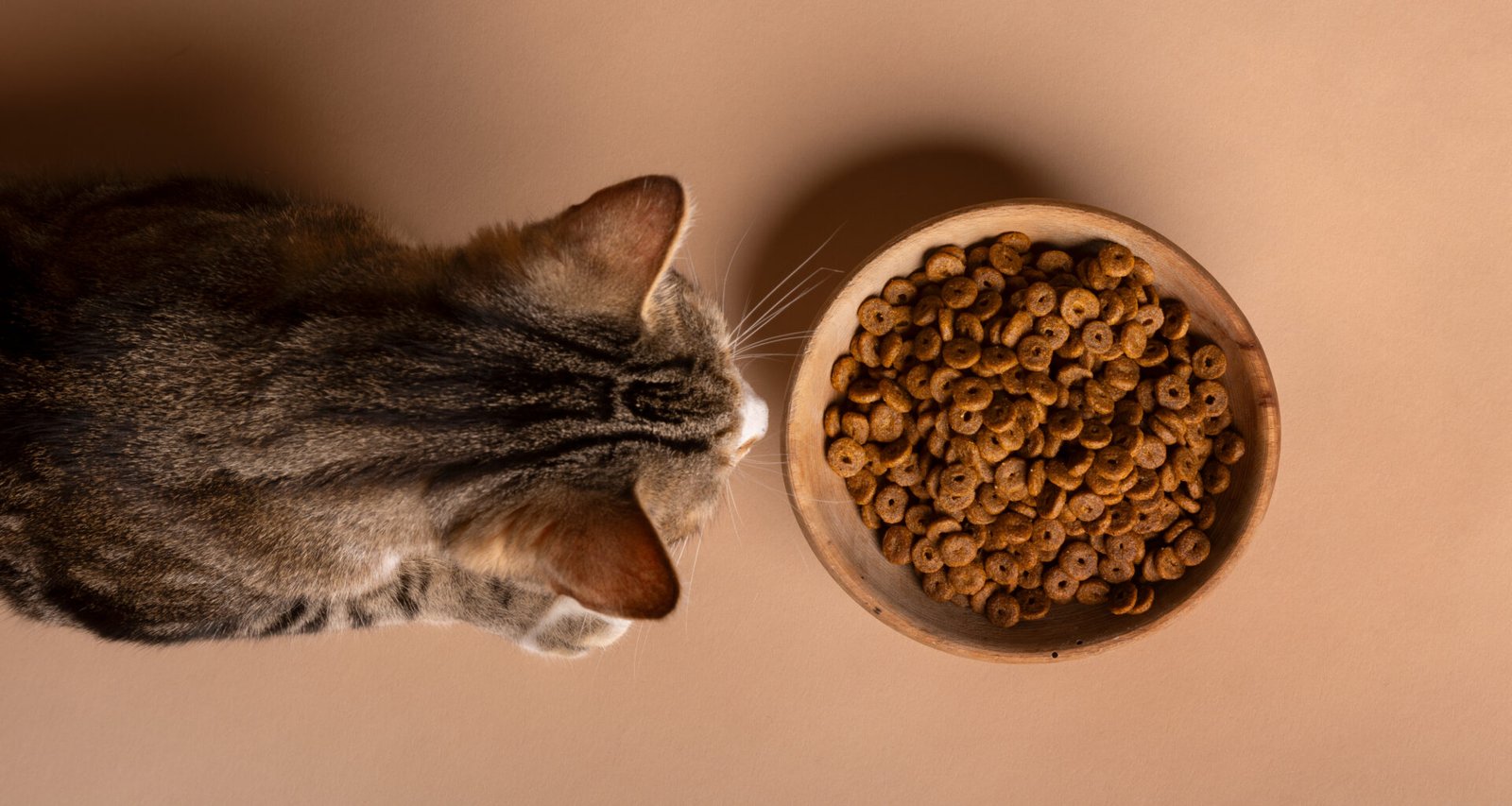

When you search for “gluten‑free cat foods,” you’ll see many options on the shelves and online. But does your cat really need gluten‑free food or is it just another marketing trend? In this post, we break down what gluten‑free (and grain‑free) means for cats, when it might make sense, and how to choose wisely if you go that route.
What does “gluten‑free” or “grain‑free” mean for cat food
- Grains such as wheat, barley, rye, oats, corn, and rice are common ingredients in many pet foods.
- A “grain‑free” / “gluten‑free” cat food avoids those grains substituting carbohydrates with ingredients like potatoes, peas, lentils, or other starches.
- Since gluten is a protein present in certain grains (wheat, barley, rye), grain‑free diets are effectively gluten‑free though gluten-free doesn’t always mean grain-free (because some non-gluten grains may still be used).
So when you pick a “gluten‑free” cat food, you are typically also picking a diet with no grain but always check the ingredient list carefully.
Are cats sensitive to gluten or grains?
- According to veterinary nutrition experts, true gluten or grain allergies in cats are very rare.
- Most food allergies in cats involve animal proteins (like chicken, fish, beef), not grains or gluten.
- As one veterinary resource states: for the vast majority of healthy adult cats, grain‑free (or gluten‑free) food isn’t necessary or inherently healthier.
In short: gluten or grain intolerance is uncommon in cats. Unless a cat has been diagnosed (by a vet) with an allergy or sensitivity, eliminating grains or gluten isn’t usually required.
When might gluten‑free cat food make sense
That said, there are certain conditions or circumstances where a gluten‑free or grain‑free diet could be helpful:
- If a cat has confirmed food allergies or intolerances especially to grains or gluten. In that case, eliminating grains may reduce symptoms like digestive upset or skin irritation.
- If your vet recommends a limited‑ingredient diet to rule out allergens, a grain-free/gluten-free diet may simplify what your cat is exposed to and help isolate triggers.
- For cats with digestive sensitivities (e.g. inflammatory bowel disease IBD), sometimes vets advise diets that avoid grains or certain carbohydrates (depending on the cat’s reaction).
But even in those cases, it’s not a guarantee you need proper vet guidance, and you must ensure the chosen food still offers complete balanced nutrition.
Potential downsides of gluten‑free / grain‑free cat foods
Choosing gluten‑free or grain‑free foods isn’t automatically better, and there are risks or trade‑offs to keep in mind:
- Nutritional balance: Grains often provide energy, fiber, vitamins and minerals. When you remove them, the substitute ingredients must sufficiently provide those nutrients. Without this, diets may become unbalanced.
- Carbohydrate and digestibility shift: Grain‑free foods often use other carbohydrates (like legumes, potato, tapioca). These may affect digestibility or nutritional density differently than grains.
- No proven extra benefit for most cats: For a healthy cat without allergies, there’s no strong scientific evidence that gluten‑free or grain‑free food improves overall health more than standard diets.
In short: gluten‑free cat food isn’t a guaranteed upgrade only sometimes a medically or situationally justified option.
Choosing the Right Cat Food: What to Look For
If you decide to try gluten-free or grain‑free cat food (or any specialized diet), keep these guidelines in mind:
- Complete & Balanced Labeling
- Make sure the food is labeled “complete and balanced” for your cat’s life stage (kitten, adult, senior). That means it meets all essential nutrient needs.
- High-Quality Protein Source
- Since cats are obligate carnivores, ensure the food sources protein from meat or fish not just plant-based proteins. Grains or grain substitutes should not replace the primary protein sources.
- Essential Nutrients
- The food should include or be supplemented with critical nutrients like taurine (essential amino acid for cats), vitamins, minerals especially if the recipe replaces grains with other ingredients. Wikipedia+1
- Vet Consultation
- If you suspect any allergy, intolerance, or health problem: discuss with your vet first. Only a professional can confirm whether a gluten‑free diet is necessary or beneficial.
- Watch for Marketing Hype
- Labels like “grain-free” and “gluten-free” may sound trendy or healthier but they don’t automatically mean better nutrition. Always read ingredient lists and nutritional declarations carefully.
Bottom Line: Gluten‑Free Food Isn’t For Every Cat
For most cats, especially healthy ones with no diagnosed sensitivities, regular high‑quality cat food even if it contains grains is perfectly fine. Grains and gluten aren’t inherently harmful for cats.
That said, gluten‑free or grain‑free diets can be a useful tool in specific situations: diagnosed allergies, elimination‑diet trials, or cats with special dietary needs. If you go that route, choose diets wisely ones that meet all nutritional requirements, with good protein sources, and ideally under veterinary guidance.
As a conscientious cat owner, you don’t need to be swayed by trends or buzzwords. Instead, focus on what your cat really needs: balanced nutrition, good protein, and overall well‑being.