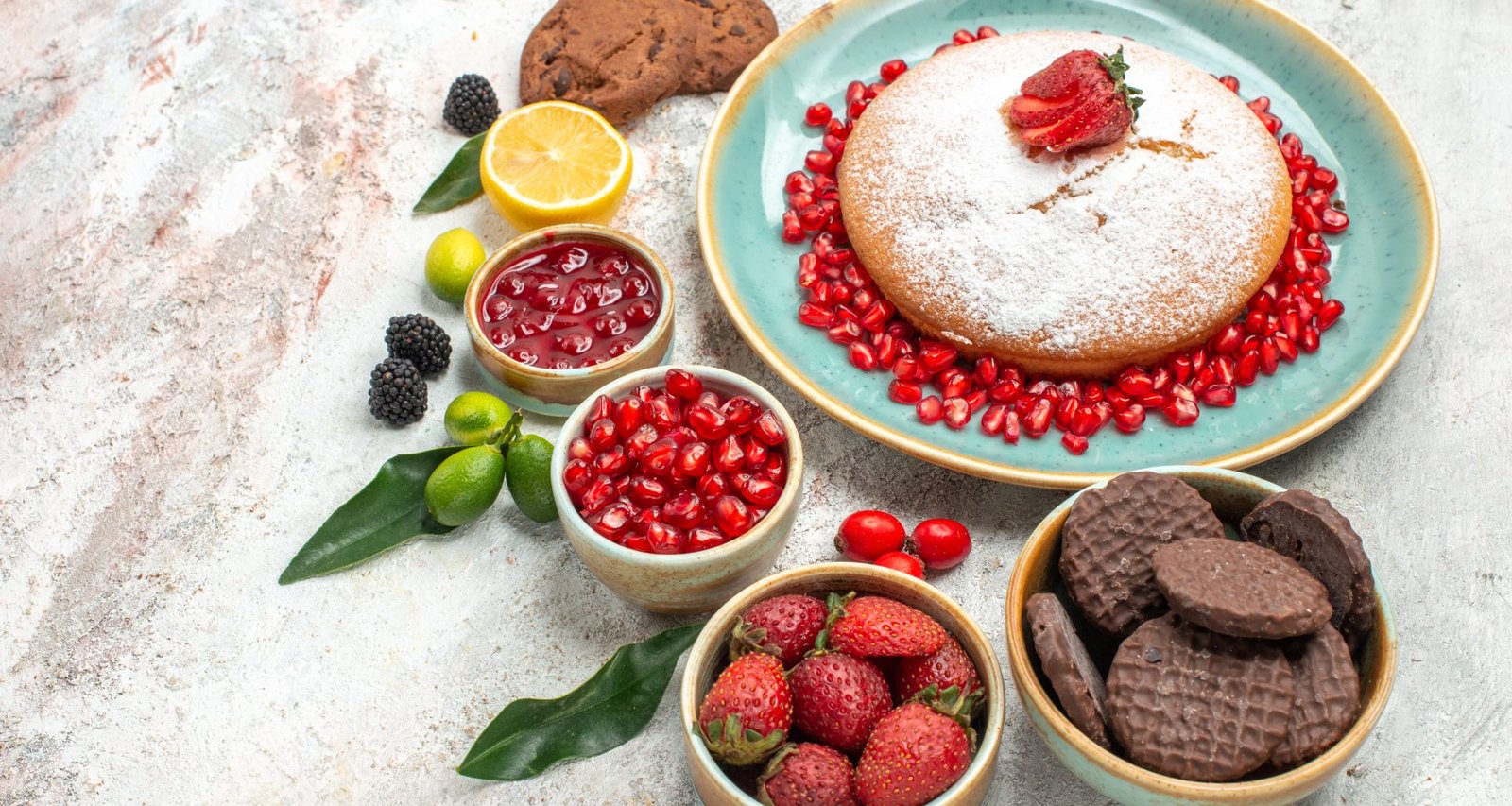

When you think of dessert, you likely picture warm cookies, creamy cheesecakes or rich chocolate cakes. For those avoiding gluten, this landscape can feel restrictive but it doesn’t have to be. With smart ingredient swaps and a little know‑how, you can enjoy gluten free desserts that are just as satisfying as their wheat‑filled counterparts.
Why gluten‑free desserts matter
Going gluten‑free isn’t simply a trend. For people with Celiac disease or gluten‑sensitivity, choosing desserts made without wheat, barley or rye is essential. At the same time, many who don’t have a medical need still appreciate the light textures and alternative flours used in gluten‑free baking. Blogs like Meaningful Eats show that you can make “amazing gluten‑free food with everyday ingredients.” Meanwhile, recipe collections from sites like Sally’s Baking Addiction demonstrate that desserts “without using any gluten‑containing ingredients” can still appeal to non‑diet restricted bakers.
When crafted well, gluten‑free desserts tick multiple boxes: they cater to dietary needs, invite creative baking, and introduce textures and flavours you might not otherwise try.
Key principles to get right
To truly deliver a dessert that’s gluten‑free and delicious:
- Use a proper gluten‑free flour blend (like rice flour, almond flour, tapioca or potato starch) instead of wheat flour, and consider the role of additives like xanthan gum for structure.
- Be mindful of cross‑contamination if the kitchen or utensils have been used with wheat flour, a “gluten‑free” dessert might still pose a risk for sensitive eaters.
- Adjust expectations: because gluten gives elasticity and structure, gluten‑free bakes often have a slightly different texture (often denser or more crumbly). That’s okay a well‑designed recipe embraces that difference rather than hiding it.
- Focus on flavour: strong flavours (chocolate, citrus, nuts, spices) help shift attention away from what’s “missing” and toward what’s delightful.
Dessert types that shine in gluten‑free form
Here are some categories where gluten‑free desserts often excel:
Flourless cakes and dense bakes
Because they were built without wheat from the start, desserts like flourless chocolate cake are natural choices. In fact, the dessert is noted for its suitability in gluten‑free diets. These kinds of desserts tend to deliver richness and indulgence without relying on traditional flour structure.
Cookies, bars and one‑bowl treats
These lend themselves well to gluten‑free adaptation. As Sally’s Baking Addiction notes, you’ll find “easy flourless chocolate chip cookies” and other sweet bars that satisfy with minimal fuss. Because these treats are often compact and dense, the textural expectations shift in the right direction.
Fruit‑forward and naturally gluten‑free desserts
Desserts built around fruit, custard or mousse rather than pastry crusts are often easier to adapt into gluten‑free territory. For example, a fruit‑based tart with almond flour crust or a lemon posset require less structural flour to begin with.
Classic desserts remade with gluten‑free crusts
Think cheesecake or pie. With a nut‑meal or gluten‑free flour mix for the crust, the familiar creamy filling stays intact while the base is carefully adapted so the whole dessert is safe and satisfying.
How to make your gluten free dessert stand out
Here are some pro‑tips I’ve learned from baking gluten‑free myself things that made a big difference:
- Chill your dough or batter when you can. Gluten‑free dough can be more fluid, so chilling helps with handling, shaping and even spread.
- Use flavour‑rich ingredients. One of my favourites: replace half the flour with almond or coconut flour, add toasted nuts or grated citrus zest, and you’ll elevate the flavour profile.
- Embrace texture variation. Rather than trying to exactly mimic wheat‑based textures, lean into what gluten‑free does well: moist, dense, sometimes crumbly, often with a nutty or tender bite.
- Include a “control” version for non‑gluten‑free guests. I often make the same recipe twice one with gluten‑free flour, one with regular flour and I’m always surprised at how few guest notice a difference if the flavour is strong and the bake properly handled.
- Label clearly and separate well. If you’re serving guests with gluten‑sensitivity, make it obvious what’s safe and keep utensils separate to avoid cross‑contact.
Why this topic still matters (and how you can add unique value)
When I reviewed top‑ranking articles on “gluten free desserts,” I found several things they did well: they listed many recipes, provided good visuals, and touched on different dessert types (cookies, cakes, bars). For example:
- The Meaningful Eats list of “Top 25 Best Gluten‑Free Desserts” gives breadth.
- The Flexible Chef’s post, “My Favorite Gluten‑Free Desserts,” emphasises personal favourites and holiday baking.
- Sally’s Baking Addiction offers more than 40 dessert recipes “without any gluten‑containing ingredients.”
However, there remains space for deeper value:
- Explaining why certain flour substitutes work (taste, texture, cost) in simple terms.
- Addressing lesser‑covered dessert formats (e.g., no‑bake treats, international sweets, small batch or mini desserts).
- Giving clear tips specific to gluten‑free baking setbacks (e.g., crumbly crusts, dough spread, dryness) and how to solve them.
- Incorporating ingredient‑swap tables (for example: if you’re out of almond flour, use oat flour + extra moisture) or flavour‑pairing ideas (citrus + nut flours, spice blends for autumn).
- Touching on the mindset: how to celebrate dessert rather than feel “limited” by gluten‑free constraints.
Final thoughts
If you’re searching for gluten‑free desserts that don’t feel like a compromise, you’re in the right place. When you choose the right flour substitutes, manage texture expectations, prioritise flavour, and bake with confidence, your gluten‑free dessert can shine at every gathering whether you’re baking for someone with dietary restrictions or simply trying something new.