
Short answer: Most distilled spirits are gluten-free, even if made from gluten grains. Wine, tequila, rum, and cider are naturally gluten-free. But beer, malt beverages, and some flavored alcohols may contain gluten and should be avoided by people with celiac disease or gluten sensitivity.
Can People on a Gluten-Free Diet Drink Alcohol?
Yes—but with caution. If you’re avoiding gluten due to celiac disease, non-celiac gluten sensitivity, or wheat allergy, alcohol can be a tricky area. While many types of alcohol are naturally gluten-free, others are made with wheat, barley, or rye, and may not be safe—even if the gluten is “removed” or “distilled.”
The safest strategy is to stick to naturally gluten-free alcohols or those that are clearly labeled and certified.
Naturally Gluten-Free Alcohol
These alcoholic beverages are made without any gluten-containing ingredients and are generally safe for those with celiac disease or gluten intolerance.
Wine
- All types of wine (red, white, rosé, and sparkling) are made from fermented grapes and are naturally gluten-free.
- Watch out for: Wine coolers or flavored wines, which may contain malt or gluten additives.
Hard Cider
- Made from apples or pears and fermented without grains.
- Typically gluten-free, but always check the label, especially with flavored or spiced ciders.
Tequila
- 100% agave tequila is naturally gluten-free.
- Avoid cheap or “mixto” tequila, which may include additives or undisclosed ingredients.
Rum
- Distilled from sugarcane or molasses, rum is typically gluten-free.
- Flavored rums can be risky due to added flavorings or colorants.
Brandy & Cognac
- Made from distilled wine or fruit juice.
- Naturally gluten-free and celiac-safe.
Gluten-Free Spirits (Distilled)
According to the National Celiac Association and Healthline, the distillation process removes gluten proteins, making these spirits generally safe—even when derived from gluten grains.
Vodka
- Vodka made from potatoes, corn, or grapes is safest.
- Vodkas made from wheat, barley, or rye are considered gluten-free after distillation, but some people with extreme sensitivity still react.
- Gluten-free vodkas: Tito’s (corn), Ciroc (grapes), Chopin (potatoes)
Gin
- Made by re-distilling ethanol with botanicals like juniper.
- Generally gluten-free after distillation.
- Avoid flavored gins or those with post-distillation additives.
Whiskey & Bourbon
- Made from wheat, barley, or rye but considered gluten-free due to distillation.
- Controversial for celiac patients—some report reactions.
- Safer options: Whiskey made from non-gluten grains (e.g., Hudson Baby Bourbon – 100% corn).
Mezcal
- Similar to tequila, made from agave.
- Naturally gluten-free unless contaminated post-production.
Alcohols to Avoid (or Be Very Cautious With)
While some gluten-derived alcohols are technically gluten-free after distillation, others contain clear gluten ingredients and should be avoided.
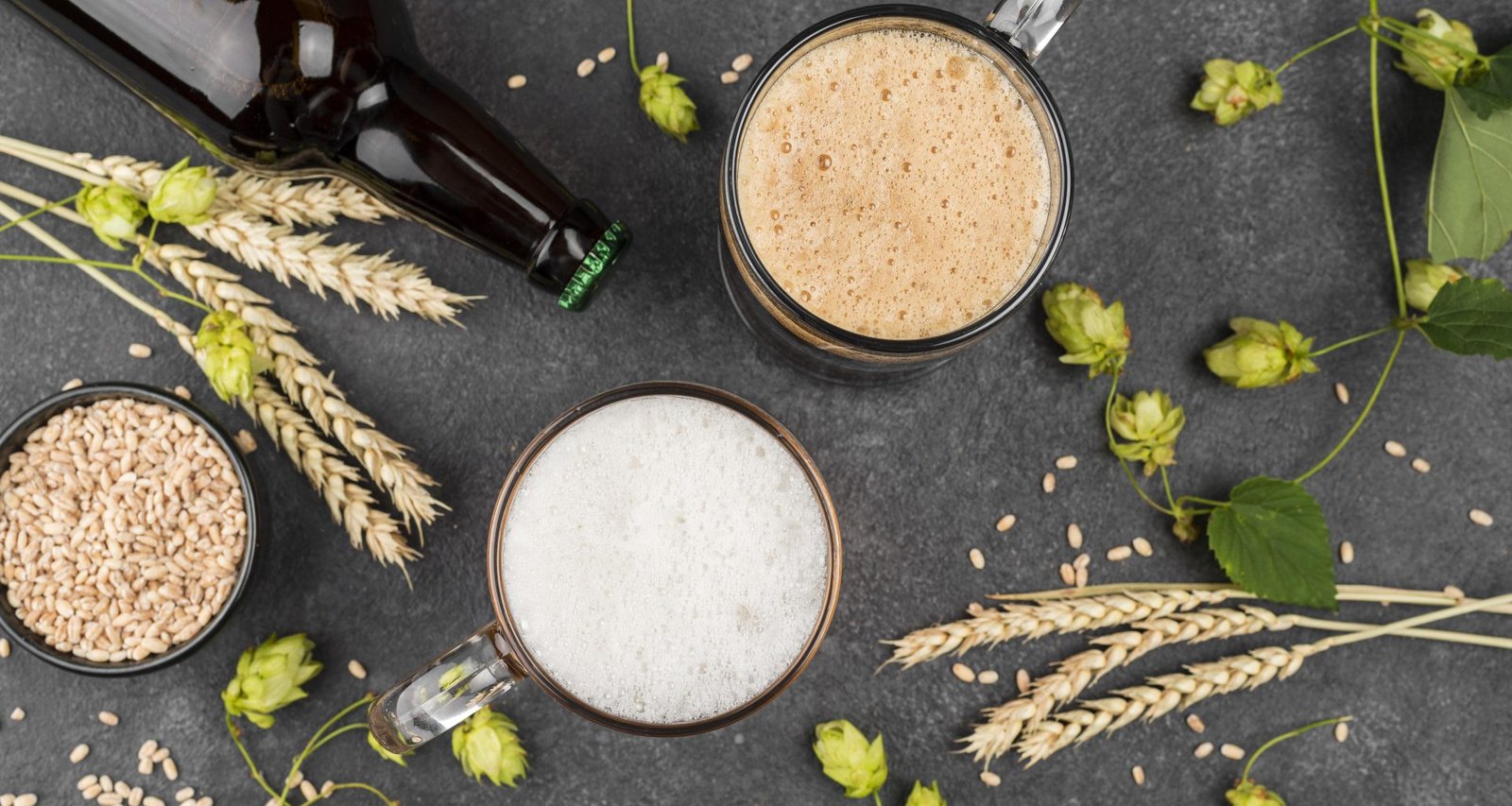
Beer
- Traditional beer is made with barley or wheat—not safe.
- Even “gluten-removed” beers may still contain gluten traces and are not safe for celiac disease.
- Safer options: Look for beer labeled “gluten-free”, made from sorghum, millet, rice, or buckwheat.
Malt Beverages
- Includes wine coolers, flavored malt drinks, and alcopops.
- Almost always contain gluten—avoid unless labeled gluten-free.
Flavored Spirits and Pre-Mixed Cocktails
- May contain gluten via flavorings, syrups, or malt bases.
- Always verify ingredients or choose unflavored spirits and mix your own.
“Gluten-Removed” vs. “Gluten-Free” Alcohol
What’s the difference?
- Gluten-Free: Made without any gluten-containing ingredients; meets strict labeling criteria (less than 20 ppm of gluten).
- Gluten-Removed: Brewed with gluten grains, then treated with enzymes to break down gluten. Not considered safe for celiac disease.
Stick to certified gluten-free beverages when you have medical dietary restrictions.
Safe Gluten-Free Cocktails
Here are examples of gluten-free cocktails when made with verified ingredients:
- Margarita – 100% agave tequila, lime juice, triple sec
- Mojito – Rum, fresh mint, lime, soda water
- Vodka Soda – Gluten-free vodka and soda water
- Whiskey Sour – Gluten-free bourbon, lemon juice, simple syrup
- Classic Daiquiri – Rum, lime juice, simple syrup
Always use gluten-free mixers—check labels on sodas, juices, and syrups.
How to Drink Safely on a Gluten-Free Diet
1. Stick to Distilled Spirits
Most are gluten-free after distillation—even if made from gluten grains.
2. Choose Brands with Gluten-Free Certification
This ensures proper sourcing, handling, and cross-contamination prevention.
3. Avoid Flavored or Premixed Drinks
These are more likely to contain hidden gluten or additives.
4. Read Labels on Wine and Cider
Avoid malt-based versions or coolers that use barley-based alcohol.
5. Skip “Gluten-Removed” Beer
These are not reliably safe for celiacs—even if marketed as lower in gluten.
Frequently Asked Questions
Can people with celiac disease drink vodka?
Yes, if it’s distilled and especially if made from gluten-free sources like corn or potatoes.
Is tequila gluten-free?
Yes, if it’s 100% agave. Avoid mixto tequilas which may include additives.
What alcohol can I drink on a gluten-free diet?
Safe options include wine, cider, tequila, rum, brandy, and gluten-free certified spirits.
Are all wines gluten-free?
Most are, but avoid wine coolers or products with added malt.
Is whiskey gluten-free?
Technically yes, but some celiac individuals report reactions. Choose whiskeys made from non-gluten grains if you’re unsure.
Final Thoughts
You don’t have to give up alcohol to stay gluten-free. From crisp white wine to handcrafted tequila, there are plenty of delicious options that are naturally or safely gluten-free. Just make sure you’re choosing certified brands, reading ingredient labels, and avoiding malt-based or flavored drinks with unknown sources.
Whether you’re mixing your own cocktail or picking a bottle off the shelf, drinking responsibly means knowing what’s in your glass—especially when you live gluten-free.