
If you’re on a gluten-free diet, finding a delicious bagel can feel like hunting for treasure. Bagels are a breakfast classic, known for their chewy crust and dense interior. But traditional bagels are made from wheat flour, making them unsafe for anyone with celiac disease or gluten sensitivity.
So, what kind of bagels are gluten-free? Fortunately, the gluten-free market has exploded in recent years, offering a variety of bagel types made without wheat, barley, or rye. From homemade recipes to certified brands and vegan-friendly options, gluten-free bagels are more available—and tastier—than ever.
In this article, we’ll explore:
- What makes a bagel gluten-free
- Popular gluten-free bagel types and flavors
- Store-bought brands vs. homemade
- Ingredients to look for (and avoid)
- How to spot cross-contamination risks
- Nutritional tips
- Frequently asked questions
What Makes a Bagel Gluten-Free?
A gluten-free bagel is made without wheat, rye, or barley—the grains that naturally contain gluten. Instead, gluten-free bagels use alternative flours and starches to replicate the texture and structure of traditional dough.
Common gluten-free flours include:
- Brown rice flour
- White rice flour
- Tapioca starch
- Potato starch
- Sorghum flour
- Almond flour
- Millet flour
- Arrowroot starch
- Chickpea flour
To mimic gluten’s elasticity, bakers use xanthan gum or psyllium husk as binding agents. These help create the chewy texture you expect from a great bagel.
Popular Types of Gluten-Free Bagels
Just like traditional bagels, gluten-free versions come in a range of styles and flavors.
1. Plain Gluten-Free Bagels
The go-to for any topping or sandwich base. Neutral in flavor and perfect when toasted.
2. Everything Bagels (Gluten-Free)
Topped with sesame seeds, poppy seeds, garlic, onion, and salt. A savory favorite with cream cheese.
3. Cinnamon Raisin
A sweet and chewy bagel often made with gluten-free oats or brown rice flour. Great with butter or nut butter.
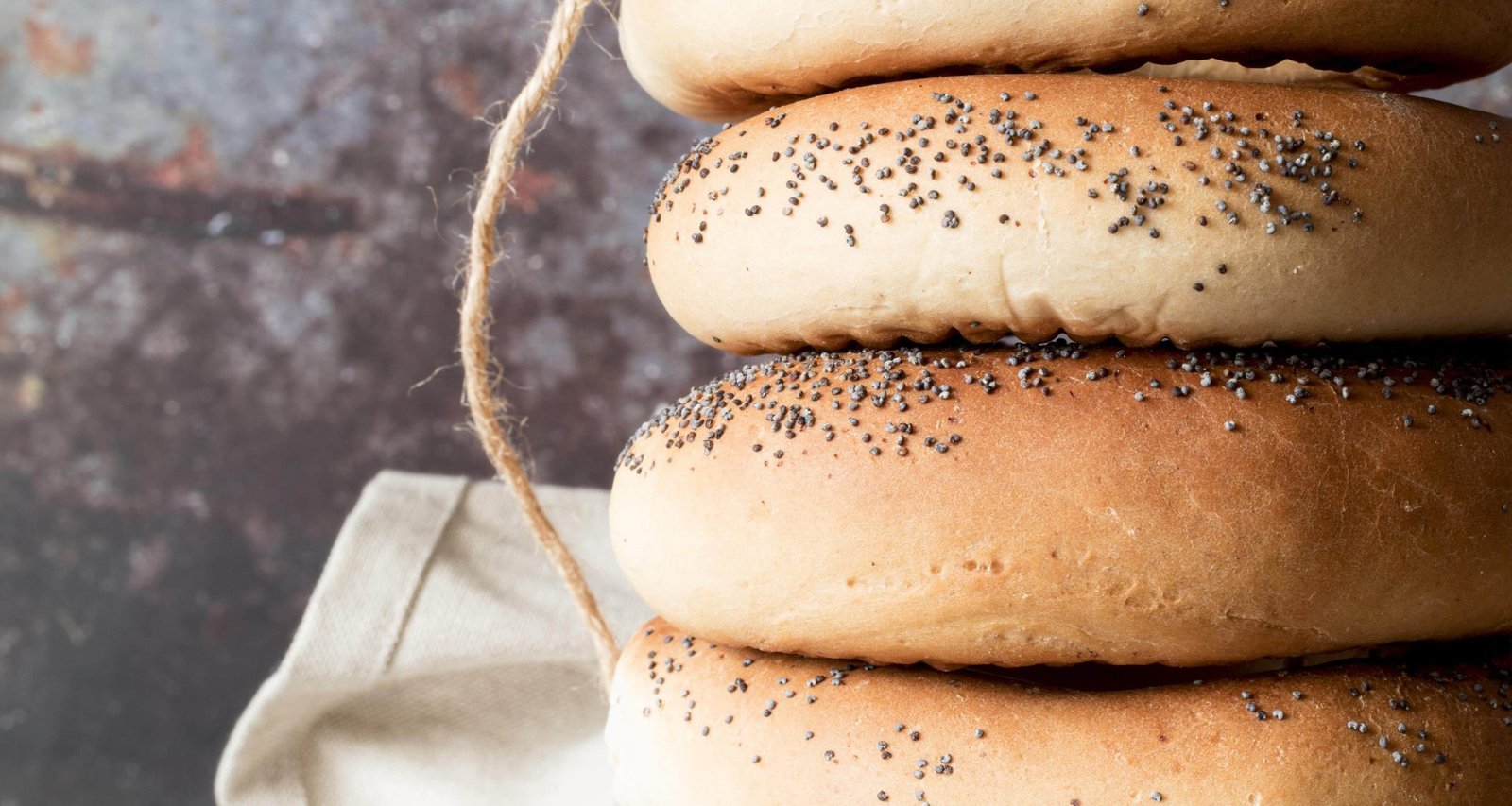
4. Sesame or Poppy Seed
Simple, nutty flavor that complements eggs or avocado spread.
5. Onion or Garlic
Bold and flavorful—ideal for savory spreads or deli-style sandwiches.
6. Vegan & Gluten-Free Bagels
Dairy- and egg-free versions made using plant-based yogurt or flaxseed as a binder. Common among allergen-friendly brands.
7. Grain-Free Bagels
Made with almond or coconut flour, ideal for keto or paleo diets.
Top Gluten-Free Bagel Brands
If you’re not into baking, plenty of certified gluten-free brands make high-quality bagels.
1. Udi’s Gluten-Free Bagels
- One of the first GF brands on the market
- Flavors: Plain, Everything, Cinnamon Raisin
- Widely available in grocery stores
2. Canyon Bakehouse
- Made in a dedicated GF facility
- Dairy-free, soy-free, and nut-free
- Excellent chewy texture
3. Trader Joe’s Gluten-Free Bagels
- Affordable and tasty
- Usually found in the frozen section
- Simple ingredients, decent shelf life
4. O’Doughs
- Vegan and gluten-free
- Dense but soft texture
- Ideal for those avoiding eggs or dairy
5. Against the Grain
- Made with tapioca flour and cheese
- Slightly different texture—crispy outside, chewy inside
- Grain-free, gluten-free
Gluten-Free Bagels You Can Make at Home
Want complete control over your ingredients? Make gluten-free bagels in your own kitchen.
Basic Ingredients for Homemade GF Bagels:
- Gluten-free all-purpose flour (with xanthan gum)
- Yeast
- Warm water
- Olive oil or coconut oil
- Salt
- Optional: eggs, yogurt, apple cider vinegar for structure and rise
Tips for Better Results:
- Boil before baking to create a chewy crust
- Use parchment paper to prevent sticking
- Let dough rest and rise fully before shaping
- Add toppings before baking: seeds, herbs, cheese
Key Ingredients to Look For (and Avoid)
Ingredients You Want:
- Certified gluten-free flour blends
- Clean ingredient lists
- No artificial preservatives or fillers
- Minimal sugar or oil
Ingredients to Avoid:
- Wheat starch
- Malt extract or malted flour (contains barley)
- Modified food starch (if source isn’t listed)
- Natural flavoring (unless labeled gluten-free)
Avoiding Cross-Contamination
Even gluten-free bagels can be risky if processed or prepared alongside gluten-containing foods.
How Cross-Contamination Happens:
- Shared toasters, baking pans, or surfaces
- Knife or cutting board previously used with wheat bagels
- Bulk bins at stores with mixed storage practices
What to Do:
- Buy certified gluten-free products
- Use dedicated kitchen tools
- Bake your own bagels in a GF kitchen
- Ask restaurants or bakeries about their prep methods
Nutritional Considerations
Gluten-free bagels vary in nutrition based on ingredients. Some are more refined, while others include whole grains and seeds.
What to Watch For:
- Low fiber: Use whole grain blends or add flaxseed or chia
- Low protein: Add almond flour or pair with protein-rich toppings
- High sugar: Especially in cinnamon or raisin flavors
- High starch: Look for a mix of flours to balance nutrients
FAQ: What Kind of Bagels Are Gluten-Free?
1. Are all gluten-free bagels vegan too?
Not always. Some contain eggs, yogurt, or milk-based ingredients. Look for vegan-certified labels if you need both.
2. What’s the best gluten-free flour for bagels?
Use a bread-specific gluten-free flour blend with xanthan gum. Brands like Cup4Cup and Bob’s Red Mill are good choices.
3. Can I find gluten-free bagels at cafes or restaurants?
Yes, some cafes offer GF bagels, but always ask about preparation practices to avoid cross-contamination.
4. Are gluten-free bagels lower in carbs?
Not necessarily. Many are made with starches that are still high in carbs. For low-carb options, look for grain-free recipes.
5. Do gluten-free bagels taste like regular ones?
Yes—especially when boiled before baking or toasted. Many GF bagels are chewy, flavorful, and almost indistinguishable from wheat-based ones.
Final Thoughts: Enjoying Bagels Without Gluten
Gluten-free bagels are no longer a compromise. Whether you prefer to bake them from scratch, buy them frozen, or pick them up from a specialty bakery, there are more delicious, safe options than ever. With certified products, proper ingredients, and a little know-how, you can confidently enjoy bagels on a gluten-free diet.
So the next time someone asks, “What kind of bagels are gluten-free?”, you’ll have a complete answer—and maybe even a warm, toasty bagel to share.