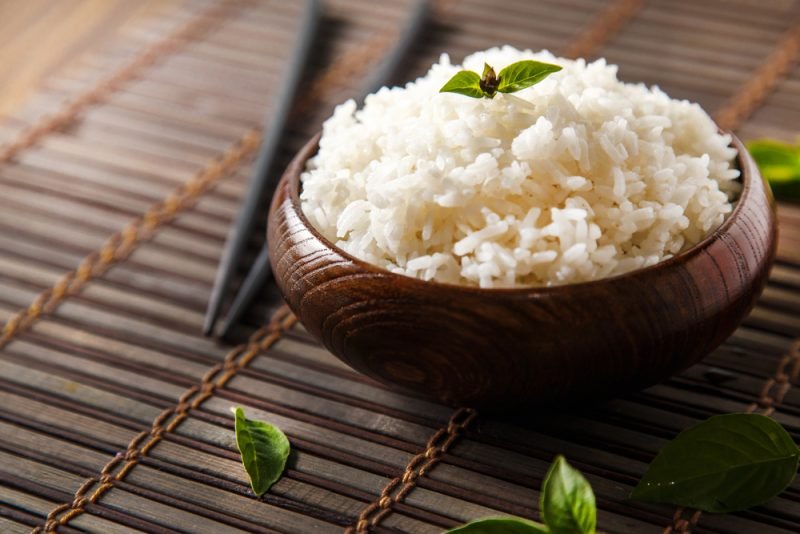

Rice is a fundamental staple food for billions of people worldwide. Whether as a side dish, the main ingredient in sushi, or the base of a hearty meal, rice is a dietary essential across cultures. However, for individuals with gluten intolerance, celiac disease, or gluten sensitivity, understanding whether rice contains gluten is crucial.
This comprehensive guide will answer the question: “Does rice have gluten?” We’ll explore the different types of rice, the risks of cross-contamination, gluten-containing rice products, safe alternatives, and how to maintain a gluten-free diet.
What is Gluten?
Gluten is a protein found in wheat, barley, and rye. It provides elasticity to dough, helping it rise and maintain its shape. While gluten is harmless for most people, it can trigger severe health issues for individuals with celiac disease, gluten intolerance, or wheat allergies. Even trace amounts of gluten can cause digestive issues, inflammation, and long-term health complications for those affected.
Now, let’s delve into whether rice contains gluten.
Is Rice Gluten-Free?
The straightforward answer is: Yes, rice is naturally gluten-free. This includes:
- White rice
- Brown rice
- Wild rice
- Jasmine rice
- Basmati rice
- Glutinous (sticky) rice (Despite the name, “glutinous” refers to the texture, not gluten content.)
Since rice is a naturally occurring grain, it does not contain wheat, barley, or rye, making it safe for a gluten-free diet. However, not all rice products remain gluten-free due to cross-contamination and added ingredients.
Cross-Contamination: How Rice Can Contain Gluten
Although pure rice is gluten-free, cross-contamination is a major concern. Rice can come into contact with gluten in several ways:
1. Processing and Packaging
Some rice products are processed in shared facilities that also handle wheat, barley, or rye. Equipment used for milling, packaging, and storage might expose rice to gluten-containing grains.
Solution: Choose rice labeled “Certified Gluten-Free”, which ensures it has been processed in a gluten-free facility.
2. Bulk Bins
Rice sold in bulk bins at grocery stores may come in contact with gluten due to shared scoops, hands touching multiple bins, or airborne flour from nearby products.
Solution: Buy pre-packaged rice from trusted gluten-free brands.
3. Cooking Cross-Contact
At home or in restaurants, rice can be cross-contaminated through shared cookware, cutting boards, and utensils used for gluten-containing foods.
Solution: Use separate cookware and check with restaurants about gluten-free cooking practices.
Rice Products That May Contain Gluten
While plain rice is safe, some rice-based products may contain gluten due to added ingredients, flavoring, or processing methods. Here are some to watch out for:
1. Flavored or Pre-Seasoned Rice
Pre-packaged rice products, such as rice pilaf, Spanish rice, or risotto mixes, often contain wheat flour, soy sauce, or malt-based seasonings.
Gluten-Free Tip: Look for products labeled “gluten-free” and check ingredient lists carefully.
2. Rice Pilaf
Rice pilaf often contains orzo, a type of pasta made from wheat, making it unsafe for gluten-free diets.
Gluten-Free Tip: Make homemade pilaf using quinoa or gluten-free pasta instead of orzo.
3. Instant or Microwaveable Rice
Some ready-to-eat rice pouches may include additives, preservatives, or flavoring agents derived from gluten sources.
Gluten-Free Tip: Stick to brands that explicitly state gluten-free certification.
4. Rice Cereals
Breakfast cereals, like rice crisp cereals, may contain malt extract (derived from barley), which is not gluten-free.
Gluten-Free Tip: Choose cereals specifically labeled as gluten-free.
5. Sushi Rice
While sushi rice itself is gluten-free, the seasoned vinegar, soy sauce, or cross-contact in sushi restaurants can introduce gluten.
Gluten-Free Tip: Ask for gluten-free soy sauce and confirm ingredients with the chef.
Safe Gluten-Free Rice Brands
For those who need to avoid gluten strictly, here are some trusted brands offering certified gluten-free rice:
- Lundberg Family Farms – Offers a variety of organic, non-GMO, gluten-free rice options.
- Bob’s Red Mill – Known for their commitment to gluten-free processing.
- Lotus Foods – Provides unique rice varieties like black rice and red rice.
- Tinkyada Rice Pasta – A great option for gluten-free pasta lovers.
Always look for “Certified Gluten-Free” labeling on the package.
Gluten-Free Rice Alternatives
If you want to switch up your meals while staying gluten-free, consider these gluten-free grains and starches:
- Quinoa – High in protein and fiber.
- Amaranth – A nutritious, iron-rich seed.
- Buckwheat – Despite its name, it’s completely gluten-free.
- Tapioca – A starch used in gluten-free baking.
- Corn & Polenta – Naturally gluten-free.
- Sorghum & Millet – Ancient grains packed with nutrients.
These alternatives add variety and prevent gluten cross-contamination risks.
Gluten-Free Rice Recipes
If you want to enjoy rice without worrying about gluten, try these delicious recipes:
1. Gluten-Free Vegetable Fried Rice
Ingredients:
- 2 cups cooked jasmine rice
- 1 cup diced vegetables (carrots, peas, bell peppers)
- 2 tbsp gluten-free soy sauce
- 1 egg (optional)
- 1 tbsp sesame oil
- Green onions for garnish
Instructions:
- Heat sesame oil in a pan, add vegetables, and sauté.
- Add cooked rice and mix well.
- Stir in gluten-free soy sauce.
- If using eggs, scramble separately and mix in.
- Garnish with green onions and serve!
2. Creamy Gluten-Free Rice Pudding
Ingredients:
- 1 cup white rice
- 2 cups almond milk (or coconut milk)
- ¼ cup maple syrup or honey
- 1 tsp vanilla extract
- ½ tsp cinnamon
Instructions:
- Cook rice in almond milk over low heat.
- Stir frequently until thick and creamy.
- Add vanilla extract, cinnamon, and sweetener.
- Serve warm or chilled.
FAQs: Common Questions About Rice and Gluten
1. Is basmati rice gluten-free?
Yes, basmati rice is naturally gluten-free.
2. Can people with celiac disease eat rice?
Yes, as long as it’s not cross-contaminated.
3. Why is glutinous rice gluten-free?
The term “glutinous” refers to its sticky texture, not gluten content.
4. Does rice flour contain gluten?
Plain rice flour is gluten-free, but always check for cross-contamination.
Final Thoughts: Is Rice Safe for a Gluten-Free Diet?
Yes! Rice, in its natural form, is gluten-free and safe for people with celiac disease or gluten intolerance. However, cross-contamination and hidden gluten in processed rice products can pose a risk.
To stay safe:
Choose certified gluten-free rice brands.
Avoid flavored rice with additives.
Be cautious of bulk bins and restaurant preparation.
By following these tips, you can enjoy rice safely while maintaining a gluten-free diet.