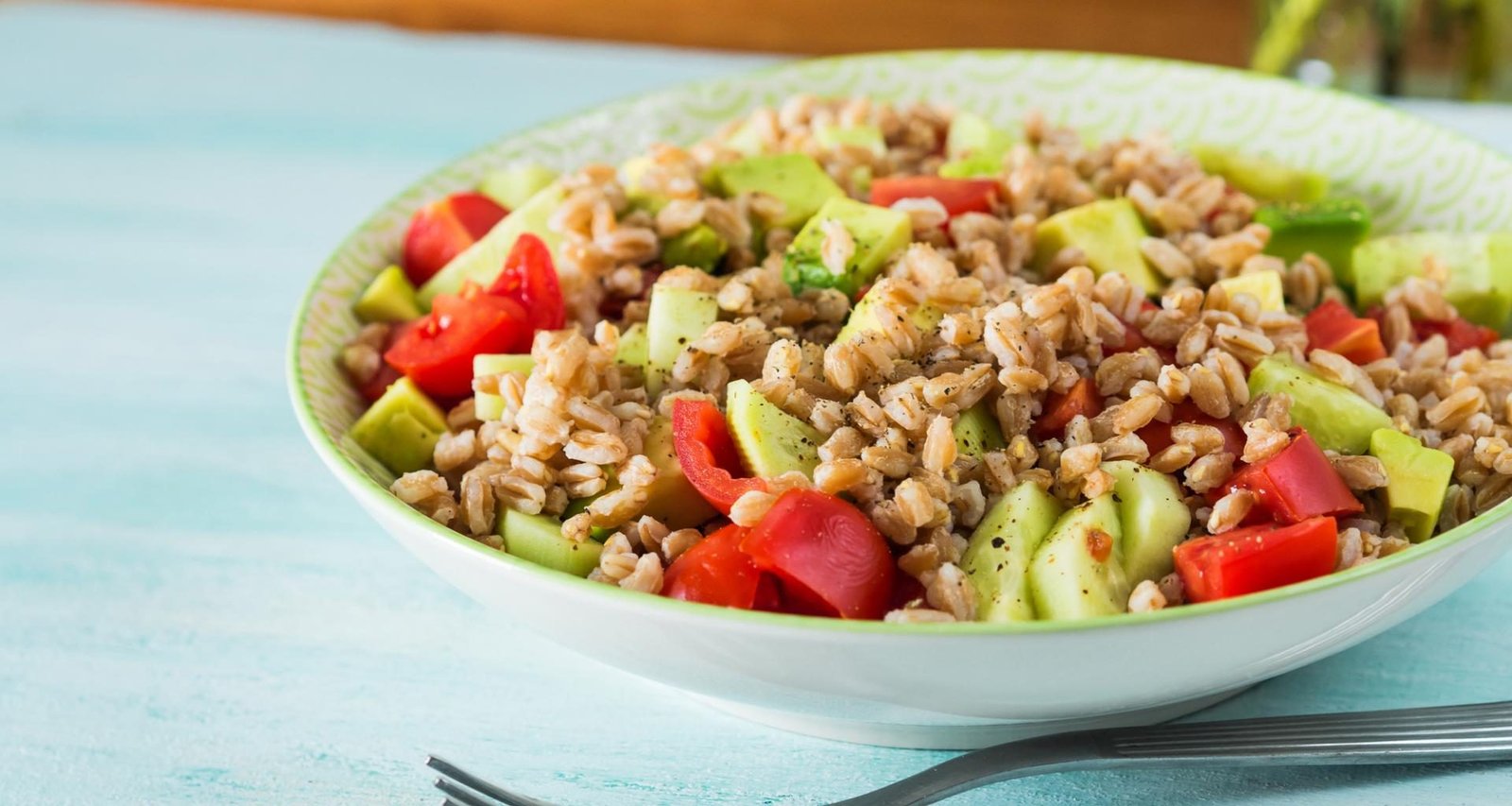

Farro has become a popular ancient grain due to its rich, nutty flavor and nutritional benefits. However, for individuals with celiac disease, wheat allergy, or gluten sensitivity, it is important to determine whether farro is safe to consume.
This article provides an in-depth look at farro, its gluten content, potential health risks, and gluten-free alternatives.
What is Farro?
Farro is a collective term for three species of ancient wheat that have been cultivated for thousands of years. These varieties include:
- Einkorn (Triticum monococcum) – The oldest form of cultivated wheat, known for its lower gluten content compared to modern wheat.
- Emmer (Triticum dicoccum) – Commonly used in Mediterranean cuisine, often found in Italian dishes such as farro salads and soups.
- Spelt (Triticum spelta) – A widely consumed variety, frequently used in baking and whole grain dishes.
Despite being labeled as an ancient grain, farro is still a type of wheat, meaning it naturally contains gluten.
Is Farro Gluten-Free?
Farro is not gluten-free. Since it belongs to the wheat family, it contains gluten proteins that can trigger adverse reactions in individuals with celiac disease or gluten sensitivity.
Who Should Avoid Farro?
- Individuals with celiac disease – Consuming gluten can cause damage to the intestinal lining, leading to malabsorption of nutrients.
- People with non-celiac gluten sensitivity – Gluten consumption may result in digestive discomfort, brain fog, and fatigue.
- Those with a wheat allergy – Exposure to wheat proteins can cause immune reactions such as skin rashes, swelling, or respiratory symptoms.
Why Some People Think Farro is Gluten-Free
There is a common misconception that ancient grains contain less gluten and are therefore safe for gluten-sensitive individuals. While certain ancient wheat varieties have different gluten structures, they still contain enough gluten to trigger a response in those who are sensitive or allergic.
How Gluten in Farro Affects People with Celiac Disease
For individuals with celiac disease, consuming even small amounts of gluten can lead to serious health issues. Some of the primary concerns include:
- Damage to the intestinal lining – Gluten consumption causes inflammation and deterioration of the small intestine’s villi, which are responsible for nutrient absorption.
- Gastrointestinal symptoms – Common reactions include bloating, diarrhea, constipation, and stomach pain.
- Neurological symptoms – Some individuals experience brain fog, headaches, and chronic fatigue after consuming gluten.
- Long-term health risks – Continued exposure to gluten in celiac disease patients can increase the risk of nutrient deficiencies, osteoporosis, and other autoimmune disorders.
Cross-Contamination Risks
Even if a food product does not list gluten as an ingredient, it may still be exposed to gluten through cross-contact. Some common sources of contamination include:
- Shared farming and processing facilities – Farro is grown, harvested, and processed alongside other wheat varieties, increasing the likelihood of gluten contamination.
- Shared manufacturing equipment – Food packaging facilities that handle both gluten-free and wheat-based products may not be entirely free from cross-contact.
- Cooking surfaces and utensils – Using the same pots, pans, and utensils for both gluten-containing and gluten-free foods can introduce gluten residues.
How to Avoid Cross-Contamination
- Look for “Certified Gluten-Free” labels on packaged foods to ensure they meet safety standards.
- Use separate cookware, cutting boards, and kitchen tools when preparing gluten-free meals.
- Be cautious when dining out, as cross-contact in restaurants is common.
Nutritional Benefits of Farro (For Those Who Can Eat Gluten)
For individuals who can tolerate gluten, farro provides several health benefits:
- High in fiber – Supports digestion and promotes gut health.
- Good source of protein – Contains more protein per serving compared to many other whole grains.
- Rich in vitamins and minerals – Provides essential nutrients such as B vitamins, iron, magnesium, and phosphorus.
- Antioxidant content – Contains polyphenols and other compounds that contribute to overall health.
Despite these benefits, farro is not safe for individuals with gluten intolerance or wheat-related disorders.
Gluten-Free Alternatives to Farro
For those following a gluten-free diet, several grains can serve as substitutes for farro while providing similar texture and nutritional value:
- Quinoa – A protein-rich grain with a nutty taste.
- Brown rice – A versatile whole grain that works well in salads and bowls.
- Buckwheat – Despite its name, it is completely gluten-free.
- Millet – A mild-flavored grain that pairs well with various dishes.
- Amaranth – A small, nutrient-dense grain that provides protein and fiber.
- Teff – A tiny grain commonly used in gluten-free baking.
- Wild rice – A hearty grain alternative with a chewy texture.
- Sorghum – A great option for baking and grain-based dishes.
These options can be used in place of farro in recipes such as soups, salads, and grain bowls.
Frequently Asked Questions
1. Is farro gluten-free?
No, farro contains gluten and is not safe for individuals with celiac disease or gluten sensitivity.
2. Does ancient wheat have less gluten?
Some ancient wheat varieties have a different gluten structure compared to modern wheat, but they still contain enough gluten to cause a reaction in sensitive individuals.
3. Can people with gluten sensitivity eat farro?
No, farro contains gluten proteins that can trigger symptoms in individuals with gluten intolerance.
4. What grains are 100% gluten-free?
Quinoa, brown rice, buckwheat, millet, amaranth, teff, wild rice, sorghum, and certified gluten-free oats are safe options for a gluten-free diet.
Final Verdict: Should You Eat Farro on a Gluten-Free Diet?
Farro is not gluten-free and should be avoided by individuals with celiac disease, gluten intolerance, or wheat allergies. Despite its nutritional benefits, it contains gluten proteins that can cause serious health issues for those with gluten-related disorders.
For a safe and nutritious alternative, gluten-free grains such as quinoa, brown rice, and sorghum can be used in place of farro in a variety of dishes.
Always check food labels and choose certified gluten-free products to ensure a safe diet.