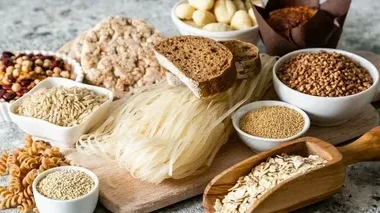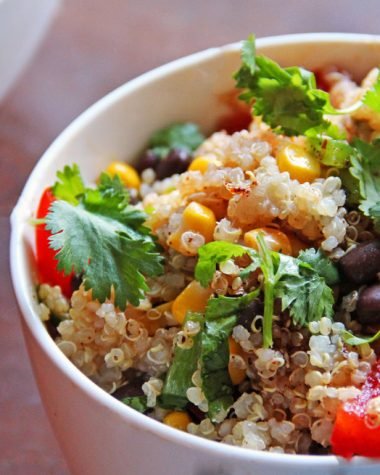

Marinara sauce is a pantry staple known for its rich tomato base, savory herbs, and versatility. Whether it’s topping your favorite gluten-free pasta, used as a dip, or layered into lasagna, marinara is a foundational ingredient in many dishes. But if you’re following a gluten-free diet due to celiac disease or gluten sensitivity, you might be wondering—is marinara sauce gluten free?
The answer is generally yes, but there are a few important factors to consider. This guide breaks down what makes marinara gluten free, potential risks, which brands are safe, and how to ensure you’re choosing or making a sauce that’s free of gluten contamination.
What Is Marinara Sauce Made Of?
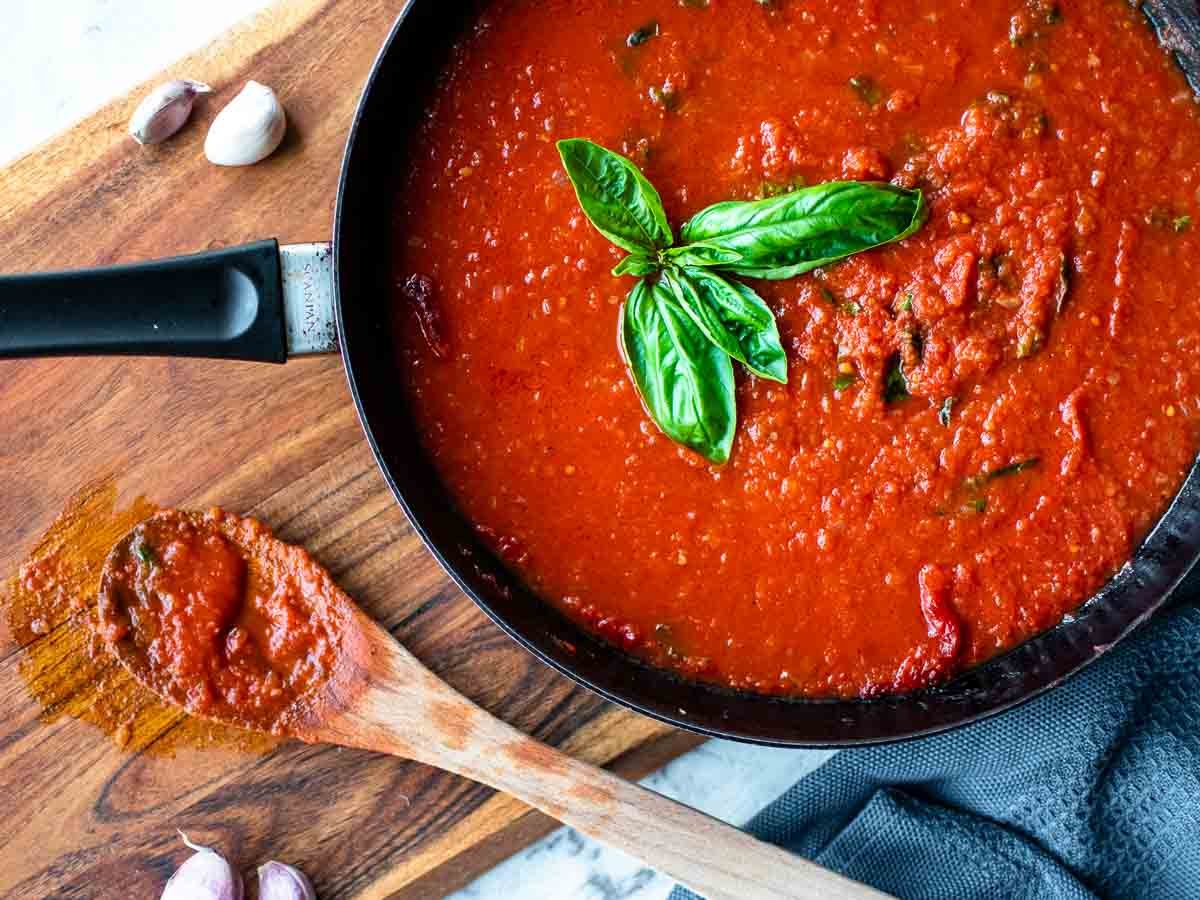
Marinara is a simple tomato-based sauce typically made with the following basic ingredients:
- Crushed or peeled tomatoes
- Tomato puree or paste
- Garlic
- Onion
- Olive oil
- Basil
- Oregano
- Salt
- Black pepper
- Optional spices like red pepper flakes or parsley
All of these ingredients are naturally gluten-free. However, not all marinara sauces are made equally. When additives or processing methods are introduced, gluten can sometimes make its way in—especially in mass-produced or flavored versions.
Is Marinara Sauce Gluten Free?
Plain marinara sauce made with traditional ingredients is naturally gluten-free. That said, the issue arises when manufacturers add other ingredients, use gluten-containing thickeners, or produce the sauce in facilities where cross-contamination is possible.
For individuals with celiac disease, even trace amounts of gluten from cross-contact can cause serious health issues. So while many sauces appear gluten-free, it’s essential to check for:
- Certified gluten-free labeling
- Ingredients like modified food starch or soy sauce
- Processing information related to shared equipment
Common Ingredients That Can Contain Gluten
While most marinara sauces stick to the basics, some brands include extras that may not be gluten safe:
- Modified food starch (unless specified as corn-based)
- Hydrolyzed wheat protein
- Wheat flour as a thickener
- Malt extract or vinegar
- Natural flavors (occasionally derived from gluten sources)
Reading the ingredient list carefully and checking the brand’s allergen statement is key to ensuring a product is truly gluten-free.
Gluten-Free Marinara Sauce Brands
Several major brands offer marinara sauces that are labeled gluten-free or confirmed safe for gluten-free diets. Here are some of the most reliable options:
Rao’s Homemade Marinara
- Labeled gluten-free
- No added sugar
- Made with high-quality tomatoes, olive oil, and herbs
- Widely available and trusted for clean ingredients
Classico Traditional Marinara
- Not certified gluten-free but does not contain gluten ingredients
- Safe for many with gluten sensitivity, but individuals with celiac should proceed with caution
Full Red Marinara Sauce (by Stanislaus)
- Commercial-grade sauce used in restaurants
- According to the product sheet, does not list gluten-containing ingredients
- Not labeled gluten-free, so confirm with supplier if used in foodservice
Muir Glen Organic Pasta Sauce
- USDA Organic
- Clearly labeled gluten-free
- No artificial preservatives or added sugar
Prego Traditional Italian Sauce
- Not certified gluten-free but no gluten-containing ingredients listed
- Kraft Heinz confirms some varieties are made without gluten, but there may be shared lines
What to Watch for on Labels
When shopping for marinara sauce, look for clear indicators of safety:
- A “gluten-free” label means it meets FDA standards (less than 20 ppm of gluten)
- Certified gluten-free symbols (from GFCO or other organizations) are even better
- An allergen statement may list whether the product is made in a facility that processes wheat
- Avoid ambiguous ingredients like “natural flavor” or “spices” unless the source is disclosed
Can You Make Marinara Sauce at Home?
Yes—and it’s one of the easiest ways to ensure your sauce is 100 percent gluten-free. Here’s a simple homemade marinara recipe using naturally gluten-free ingredients.
Gluten-Free Homemade Marinara Recipe
Ingredients:
- 2 tablespoons olive oil
- 1 medium yellow onion, finely chopped
- 4 cloves garlic, minced
- 1 can (28 ounces) crushed tomatoes
- 1 teaspoon salt
- ½ teaspoon black pepper
- 1 teaspoon dried oregano
- ½ teaspoon dried basil
- ½ teaspoon sugar (optional, to balance acidity)
- 1 pinch red pepper flakes (optional)
Instructions:
- Heat olive oil in a saucepan over medium heat. Add onions and sauté until soft.
- Add garlic and cook for 30 seconds until fragrant.
- Stir in crushed tomatoes, salt, pepper, herbs, and sugar.
- Bring to a gentle simmer and let cook uncovered for 20–30 minutes.
- Adjust seasoning to taste and use immediately or store in the fridge.
This recipe is naturally gluten-free, cost-effective, and easy to batch cook and freeze.
Common Questions About Marinara and Gluten
Which marinara sauces are gluten free?
Brands like Rao’s, Muir Glen, and Newman’s Own offer marinara sauces that are labeled gluten-free. Always read the label and check for certification if possible.
Is Rao’s marinara sauce gluten free?
Yes, Rao’s marinara is labeled gluten-free and is a trusted brand among gluten-sensitive consumers.
Is Full Red Marinara Sauce gluten free?
It contains no gluten ingredients, but it is not certified gluten-free. For foodservice use, contact the manufacturer to verify production practices.
Is Classico marinara sauce gluten free?
It does not contain wheat ingredients, but it is not certified gluten-free. May not be suitable for those with celiac disease due to potential cross-contact.
Can celiacs eat marinara sauce?
Yes, but only if the sauce is labeled gluten-free or made at home with verified gluten-free ingredients. Avoid sauces that are vague about processing or additive content.
Final Thoughts
So, is marinara sauce gluten free? In most cases, yes—when made with basic ingredients. But not all jarred sauces are safe for people with celiac disease or gluten intolerance. Cross-contamination, ambiguous labeling, and hidden additives can pose risks.
To stay safe:
- Choose certified gluten-free brands
- Read labels carefully and avoid vague ingredients
- Make your own sauce for full control over ingredients
Whether you’re topping gluten-free spaghetti, baking meatballs, or layering lasagna, marinara can still be part of a safe, delicious gluten-free diet.